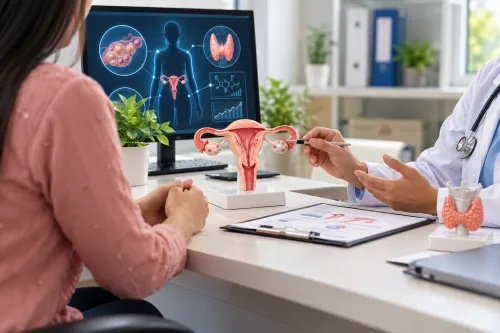
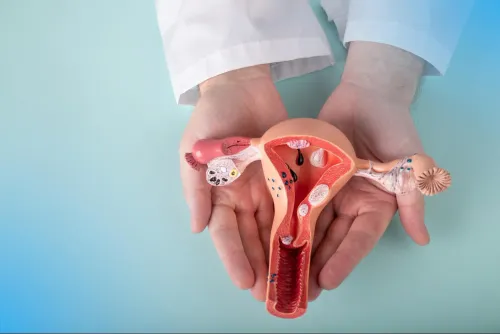
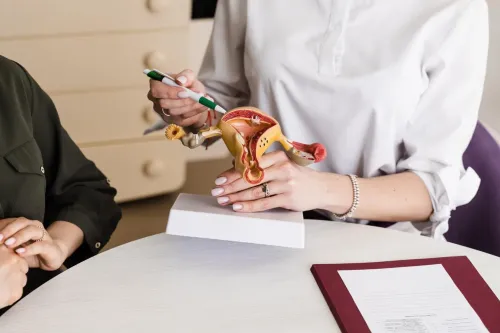
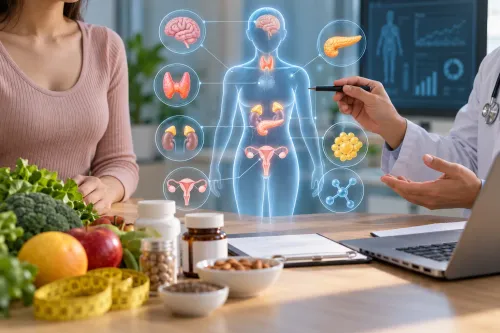
Endometriosis can cause recurring pelvic pain, painful periods, discomfort during intercourse and fertility-related concerns in some women. Symptoms and their severity can vary considerably, making individualized evaluation important.
For women seeking endometriosis care in Kalyan West and surrounding areas of Maharashtra, management may consider menstrual symptoms, reproductive goals, hormonal factors, nutrition, lifestyle and overall health.
At Dr. Manoj Lokhande's Diabetes, Thyroid and Hormone Clinic, supportive management can combine AI-assisted assessment, metabolic and supportive cleansing care, evidence-based modern allopathy and supplementary research-based therapy according to individual clinical needs.
Understanding Endometriosis Symptom Patterns
Relevant symptoms can include:
- Pelvic pain around menstruation
- Painful periods
- Persistent pelvic discomfort
- Discomfort during or after intercourse
- Menstrual-related bowel or bladder symptoms
- Changes in menstrual symptoms
- Fertility-related concerns
Because these symptoms may overlap with other gynecological conditions, appropriate clinical evaluation remains important.
Management should consider the diagnosed condition, severity of symptoms, reproductive goals and response to previous treatment rather than relying on symptoms alone.
AI Diagnosis and Future Health Risk Assessment
AI-assisted assessment can help organize multiple health parameters and identify patterns or changes that may require further clinical evaluation.
Relevant information may include:
- Timing and severity of pelvic pain
- Relationship between pain and menstruation
- Changes in menstrual symptoms
- Relevant hormonal patterns
- Progression or recurrence of symptoms
- Reproductive and fertility-related concerns
- Relevant metabolic factors where present
- Nutritional findings
- Lifestyle and sleep patterns
- Treatment response
- Changes occurring over time
Analyzing these factors together may help identify meaningful symptom patterns and relevant hormonal, metabolic or reproductive changes that warrant closer assessment.
Where relevant, AI-assisted assessment may also help identify clinical, hormonal, metabolic or reproductive health parameters even when they are not yet producing noticeable symptoms. It may highlight changing patterns associated with potential future health concerns or complications that require further clinical evaluation.
Earlier recognition of relevant risk patterns can support timely gynecological or medical assessment, appropriate preventive measures and individualized management. Timely clinical action may help reduce avoidable risks and address associated health concerns before they become more complicated.
This information can contribute to personalized treatment planning, reproductive-health discussions, preventive-care decisions and ongoing monitoring according to changing clinical needs.
AI-assisted assessment supports clinical decision-making and does not replace gynecological examination, appropriate investigations, imaging or specialist evaluation required for the diagnosis and management of endometriosis.
Supportive Cleansing Care
Endometriosis should not be presented as a condition that can be eliminated through detoxification.
Supportive cleansing and wellness care instead focuses on modifiable nutritional, metabolic and lifestyle factors that may contribute to overall well-being alongside condition-specific treatment.
Individualized supportive measures may include:
- Balanced nutrition
- Healthy body weight
- Regular physical activity
- Digestive well-being
- Adequate sleep
- Appropriate hydration
- Sustainable lifestyle measures
- Nutritional support where required
- Metabolic health support when relevant
Where obesity, insulin resistance or other metabolic concerns coexist, addressing these factors may support broader hormonal and reproductive well-being.
Potential Benefits of Supportive Cleansing Care
When appropriately individualized, supportive measures:
- May support nutritional and digestive well-being
- Can support healthy and sustainable weight management
- May support broader metabolic health where relevant
- Can contribute to improved energy when nutrition and sleep improve
- May support healthier sleep and day-to-day well-being
- Can support hormonal and reproductive well-being where metabolic factors are involved
- May help patients maintain sustainable lifestyle measures alongside prescribed treatment
These measures are supportive and do not remove endometriosis lesions or replace medical or surgical treatment when such treatment is indicated.
Modern Allopathy
Evidence-based medical treatment is individualized according to symptom severity, age, reproductive plans, clinical findings and response to previous treatment.
Depending on individual requirements, treatment may include:
- Appropriate pain management
- Hormonal therapies
- Other evidence-based medical interventions
- Specialist gynecological evaluation
- Surgical management when clinically indicated
Treatment decisions should also consider whether pregnancy is currently desired because reproductive priorities may influence the management strategy.
Regular scientific monitoring allows symptoms, treatment response and potential adverse effects to be reviewed over time.
Ongoing clinical review also allows treatment to be adjusted as symptoms or reproductive priorities change and helps identify situations requiring further gynecological or surgical assessment.
Supplementary Research-Based Therapy
Supplementary therapies are selected according to individual clinical needs, identified nutritional requirements and available scientific evidence.
Support may include:
- Evidence-informed nutritional support
- Correction of documented vitamin, mineral or nutritional deficiencies
- Nutritional support for hormonal and reproductive well-being
- Metabolic support where clinically relevant
- Support for energy and overall well-being when nutritional factors contribute
- Carefully selected supplements according to individual requirements and safety
Supplement selection considers current hormonal or other medicines, nutritional status, potential interactions, safety and individual tolerability.
Regular monitoring can help evaluate effectiveness, possible interactions and tolerability and determine whether supplementation should be continued or adjusted.
Supplementary research-based therapy is intended to complement, not replace, evidence-based medical or gynecological treatment.
What the Integrated Approach Aims to Achieve
Endometriosis care should reflect the woman's symptoms, reproductive priorities, broader health picture and response to treatment rather than following one standard plan.
Depending on individual clinical needs, the integrated approach aims to support:
- Better management of recurring symptoms
- Personalized monitoring of menstrual and pelvic-pain patterns
- Appropriate reproductive and fertility-related care discussions
- Improved nutritional and metabolic well-being
- Better treatment response through regular review
- Improved energy and overall well-being
- Earlier recognition of relevant changes, including health parameters that may not yet be causing noticeable symptoms
- Personalized treatment according to changing needs
- Appropriate preventive-care planning
- Timely treatment optimization or specialist referral when required
- Reduction of avoidable risks through earlier clinical action
Creating an Individualized Endometriosis Strategy
Endometriosis often requires ongoing, individualized care.
At Dr. Manoj Lokhande's Diabetes, Thyroid and Hormone Clinic, the integrated strategy coordinates AI-assisted assessment, supportive wellness care, evidence-based modern allopathy and carefully selected supplementary research-based therapy while keeping each component relevant to endometriosis.
The overall aim is appropriate symptom management, support for nutritional, metabolic and reproductive well-being, identification of relevant health-risk patterns and timely clinical action when changes indicate a need for further assessment or treatment.
Keywords