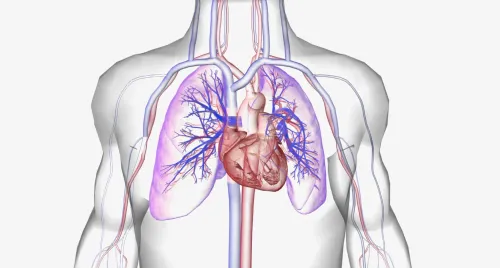
Sexual function depends on several systems working together. Hormones, blood circulation, nerves, metabolic health, medicines, emotional well-being and relationship factors may all influence sexual response.
This is why Sexual Dysfunction Disorders should not automatically be treated as a testosterone problem, a circulation problem or a consequence of aging.
For people in Kalyan West and surrounding areas of Maharashtra, Dr. Manoj Lokhande's Diabetes, Thyroid and Hormone Clinic evaluates relevant endocrine and metabolic contributors through AI-assisted clinical assessment, metabolic and supportive wellness or cleansing care, supplementary research-based therapy and modern evidence-based allopathy.
Identify the Problem Before Choosing the Treatment
Sexual dysfunction is a broad term rather than one diagnosis.
Depending on the individual, concerns may involve reduced sexual desire, erectile difficulties or other changes in sexual response and satisfaction.
Clinical evaluation therefore begins by understanding the exact concern, how long it has been present and whether it developed gradually or suddenly.
Relevant health factors may include:
- Diabetes and glucose control
- Obesity
- Blood pressure
- Cholesterol and vascular risk
- Thyroid dysfunction
- Clinically relevant hormonal abnormalities
- Current medicines
- Sleep and general health
- Other medical conditions
- Psychological or relationship factors where relevant
A targeted evaluation helps avoid unnecessary hormonal treatment when no hormonal deficiency has been demonstrated.
AI-Assisted Assessment for Hidden Metabolic and Hormonal Concerns
Sexual-health symptoms may sometimes occur in people who also have metabolic or vascular risk factors.
AI-assisted clinical assessment can help analyse relevant findings together rather than viewing each laboratory result separately.
Depending on the individual, this may include:
- Blood glucose and HbA1c
- Insulin resistance
- Body-weight trends
- Blood pressure
- Cholesterol and triglycerides
- Relevant hormonal parameters
- Thyroid-function findings
- Kidney and liver-related parameters where clinically relevant
- Changes across repeated investigations
This broader analysis can identify current abnormalities even when they have not produced noticeable symptoms.
For example, a person presenting with sexual difficulties may also have previously undetected abnormal glucose regulation, hypertension or lipid abnormalities.
AI-assisted analysis may additionally help recognize patterns associated with increased future diabetes and cardiovascular risk.
These findings can influence the next step—such as additional investigation, better glucose management, weight reduction, blood-pressure or lipid treatment, hormonal evaluation or referral for specialist assessment.
In this way, AI-assisted assessment can contribute to preventive-care planning while medical history, examination, appropriate investigations and clinical judgement remain essential.
Improving Metabolic Health When It Is Part of the Problem
The customer's metabolic and supportive wellness or cleansing component becomes particularly relevant when obesity, diabetes, insulin resistance or other metabolic abnormalities coexist with sexual dysfunction.
The approach may include:
- Individualized nutrition
- Sustainable weight management
- Appropriate physical activity
- Support for healthier insulin sensitivity
- Better glucose regulation
- Support for healthier lipid parameters
- Digestive and nutritional well-being
- Improvement of sustainable lifestyle habits
What Metabolic Support May Contribute
When metabolic factors are genuinely involved, supportive care may:
- Improve insulin sensitivity
- Support healthier glucose control
- Assist gradual weight reduction
- Support broader vascular and metabolic health
- Improve nutritional well-being
- Support energy and general physical well-being
- Help address modifiable cardiovascular risk factors
Improving these factors may support overall sexual well-being in some individuals, but it does not guarantee resolution of sexual dysfunction.
Supplementary Therapy Should Follow Clinical Findings
Supplementary research-based therapy may be considered when a nutritional deficiency or specific supportive requirement is identified.
This can include evidence-informed nutritional support, correction of documented vitamin or mineral deficiencies and carefully selected supplementation.
Hormonal products should not be used simply because sexual desire or performance has changed. A clinically relevant hormonal deficiency requires appropriate investigation before treatment.
Existing medicines, cardiovascular status, diabetes treatment and possible interactions are considered when selecting supplements.
Modern Allopathy Depends on the Identified Cause
Modern evidence-based treatment is directed toward the actual contributor.
This may involve better management of diabetes, thyroid disease, hypertension or another diagnosed medical condition. A confirmed hormonal abnormality may require condition-specific treatment.
Specific medical treatment for sexual dysfunction may also be considered according to diagnosis, suitability and cardiovascular or other medical risks.
Some patients may require urological, gynecological, cardiovascular, psychological or other specialist assessment depending on the nature of the problem.
One Symptom May Require More Than One Type of Care
Sexual dysfunction can be multifactorial.
AI-assisted clinical assessment helps identify relevant hormonal and metabolic findings and potential future health risks. Metabolic and supportive wellness or cleansing care addresses modifiable metabolic factors. Supplementary research-based therapy supports identified nutritional requirements, while modern evidence-based allopathy treats diagnosed conditions and specific sexual-health concerns.
This approach keeps treatment personalized without assuming that every patient has the same cause or requires the same therapy.
Keywords