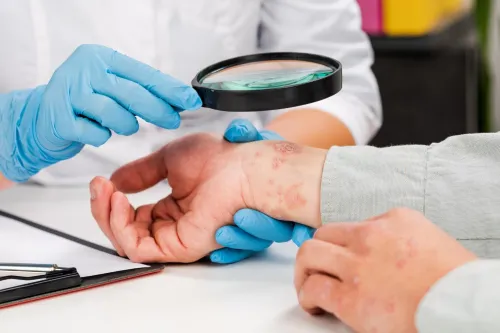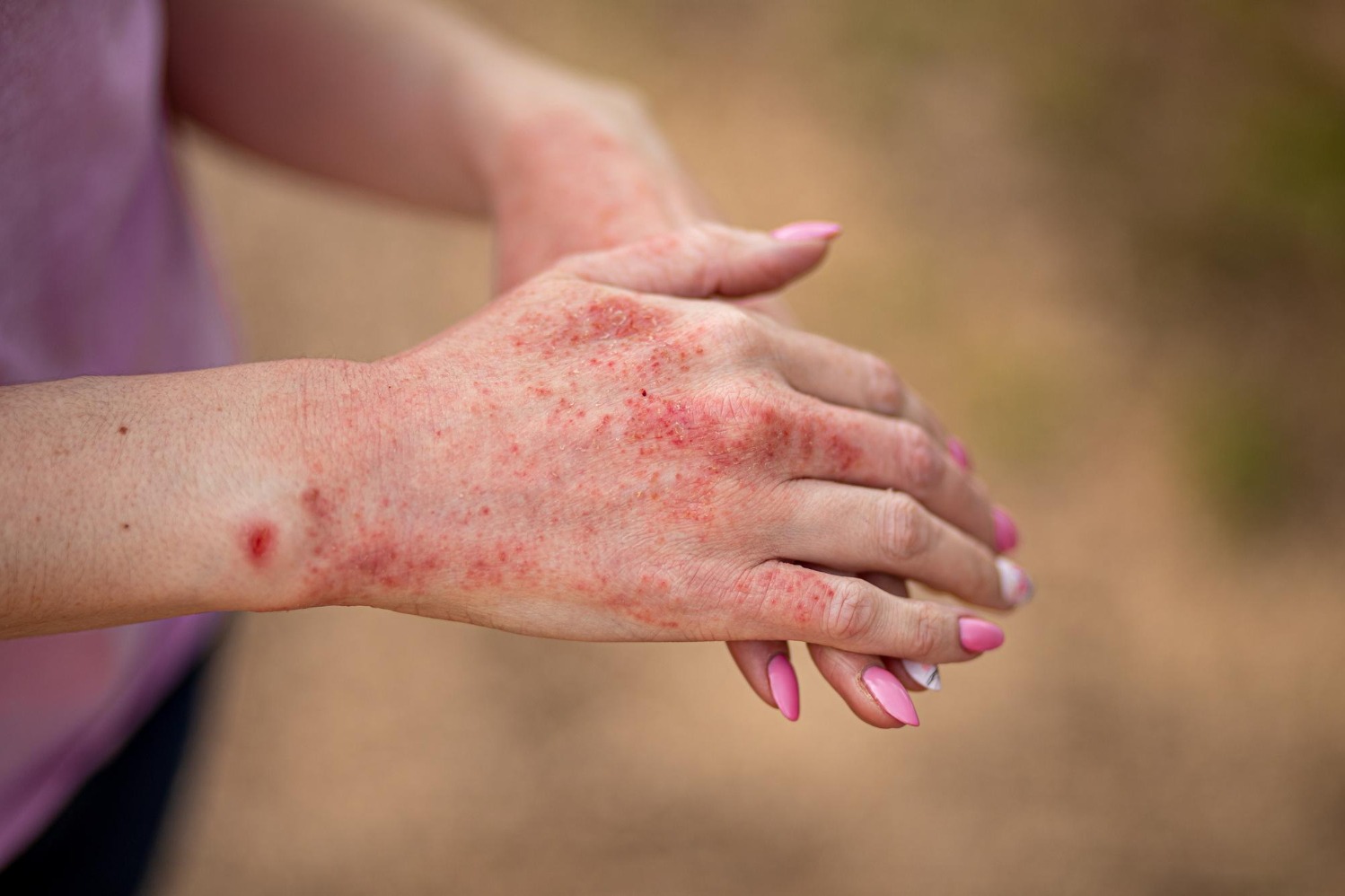
Eczema can improve for a period and then flare again, which can make the condition frustrating to manage. Dryness, itching, redness, scaling and irritated skin are common features, but the frequency, severity and triggers of these symptoms can vary significantly from one person to another.
For people with Eczema in Kalyan West and surrounding areas of Maharashtra, the first priority is appropriate assessment of the skin condition. At the same time, nutrition, metabolic health, lifestyle and other medical factors may deserve attention when they are relevant to the individual's overall health.
Dr. Manoj Lokhande's Diabetes, Thyroid and Hormone Clinic uses an integrated framework that brings together AI-assisted clinical assessment, metabolic and supportive wellness or cleansing care, supplementary research-based therapy and modern evidence-based allopathy.
Start by Understanding the Pattern of the Flare-Ups
The appearance of eczema is only one part of the assessment.
It is also useful to understand when symptoms started, how frequently they return, which parts of the body are affected and whether particular exposures appear to worsen them.
Clinical assessment may consider:
- Duration and frequency of flare-ups
- Intensity of itching and dryness
- Areas of skin involved
- Changes in symptoms over time
- Possible irritants or environmental triggers
- Personal or family history of allergic conditions where relevant
- Previous skin treatments and response
- Signs that require dermatological evaluation
- General nutritional and metabolic health
Repeated scratching can damage already irritated skin, while severe or persistent disease may interfere with sleep and everyday comfort.
This makes long-term management different from simply responding whenever a new patch appears.
Where AI-Assisted Clinical Assessment Adds Value
AI-assisted assessment can help organize the patient's symptom history, treatment response and relevant general-health parameters to identify patterns that may require further clinical attention.
It can also help distinguish between the active skin problem and separate metabolic or nutritional abnormalities identified during broader assessment.
For example, a person attending for recurrent eczema may also have an unrelated glucose, weight, lipid or nutritional abnormality that has not yet produced noticeable symptoms. Such findings should be assessed on their own clinical significance rather than automatically being assumed to cause eczema.
AI-assisted analysis may also identify trends associated with future metabolic or general-health concerns when multiple risk factors are present.
These findings can support decisions about additional testing, monitoring, nutritional changes, weight management or treatment of a separately diagnosed condition.
AI does not diagnose eczema independently. Skin examination, clinical history, appropriate investigations and medical judgement remain central, with dermatological assessment when required.
Supporting the Patient Beyond the Skin
Metabolic and supportive wellness or cleansing care is used to support general health rather than as a claim to “detoxify” or cure eczema.
The plan can concentrate on practical factors such as adequate nutrition, hydration, healthy body weight, suitable physical activity and correction of unhealthy lifestyle patterns.
Unnecessary food restrictions should also be avoided unless a specific dietary relationship has been clinically established.
Skin-specific daily measures remain equally important, including appropriate moisturization and avoidance of known irritants or triggers.
What This Supportive Approach May Help With
According to individual requirements, it may:
- Improve overall nutritional adequacy
- Support digestive and nutritional well-being
- Assist healthy weight management when needed
- Support glucose and metabolic health when abnormalities coexist
- Encourage sustainable daily health habits
- Correct modifiable nutritional or lifestyle concerns
- Support general energy and well-being
These measures work alongside direct eczema management rather than replacing it.
Using Supplements Only When There Is a Reason
Supplementary research-based therapy should be based on an identified need.
If assessment or laboratory testing demonstrates a nutritional deficiency, appropriate correction may be considered. Evidence-informed nutritional support may also be used when dietary intake is inadequate or another specific requirement is identified.
Any supplement is selected after considering existing medicines, allergies, associated conditions, safety and possible interactions.
This avoids treating supplements as a universal eczema treatment.
Direct Medical Treatment Still Matters
Modern evidence-based allopathy focuses directly on controlling eczema and protecting the skin.
Management can include appropriate moisturization, skin-care measures and medicines for inflammation or other symptoms according to clinical findings.
Persistent, extensive, infected or difficult-to-control eczema may require specialist dermatological evaluation and additional treatment.
Follow-up is useful for determining whether symptoms are improving, whether the current treatment remains appropriate and whether the diagnosis or trigger pattern requires reconsideration.
One Plan With Clearly Defined Roles
Integrated eczema care works best when each part of the plan has a specific purpose.
Medical treatment manages the skin condition. AI-assisted assessment helps organize current findings and identify additional health concerns requiring attention. Metabolic and supportive wellness or cleansing care strengthens relevant nutritional and lifestyle measures. Supplementary research-based therapy addresses specific nutritional requirements when identified.
This keeps eczema management focused on the skin while allowing the patient's broader health needs to be addressed within the same personalized care strategy.
Keywords