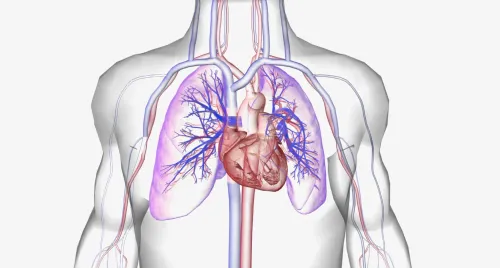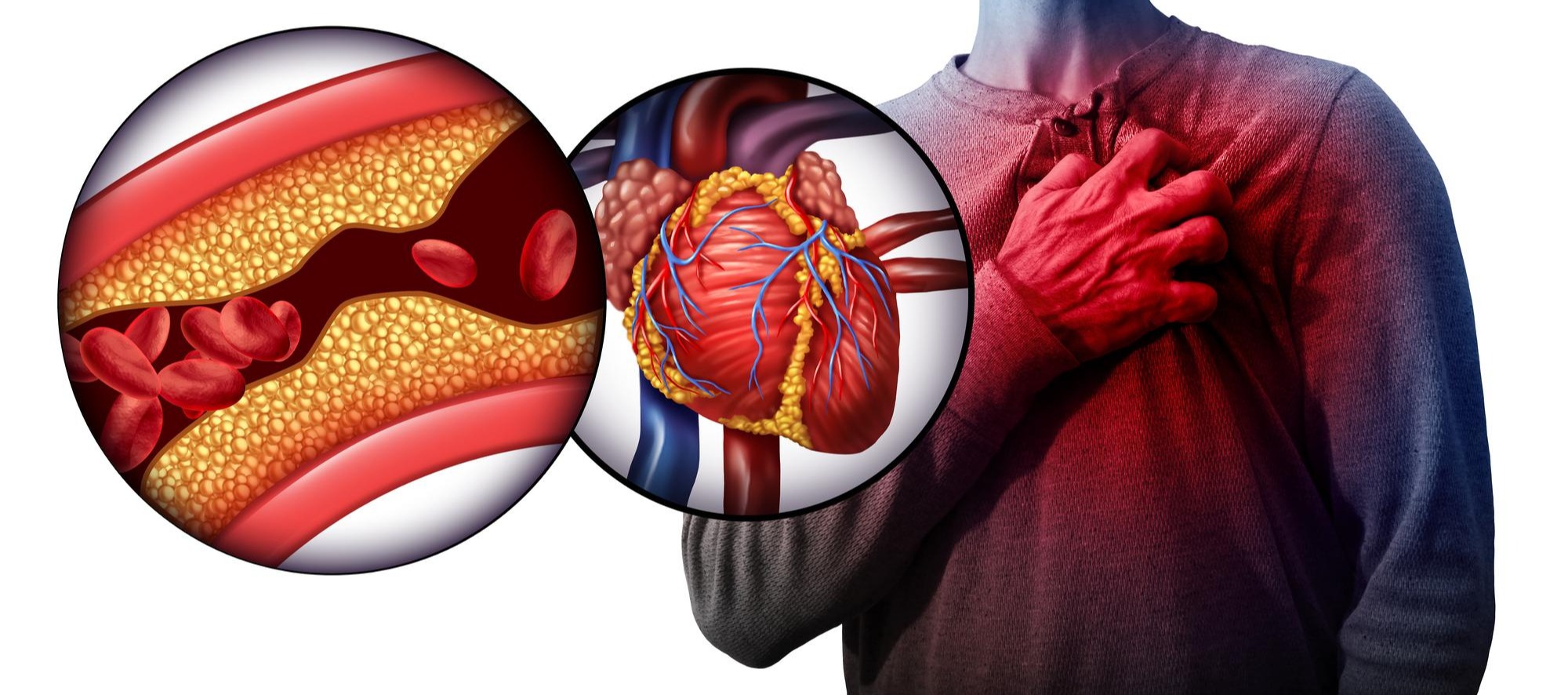
Cardiovascular Diseases (Blood Pressure, Stroke, Heart Blockages) are closely connected with metabolic health. Diabetes, obesity, insulin resistance, abnormal cholesterol, kidney disease and lifestyle factors may contribute to cardiovascular risk.
For patients seeking care for Cardiovascular Diseases in Kalyan West and surrounding areas of Maharashtra, comprehensive management can combine appropriate cardiovascular treatment with assessment of the wider metabolic risk profile.
Understanding the Factors Behind Cardiovascular Risk
Blood pressure represents only one part of cardiovascular health.
Assessment may also consider blood glucose, cholesterol, triglycerides, body weight, insulin resistance, kidney health, fatty liver-related metabolic abnormalities and lifestyle factors.
AI-Assisted Clinical Assessment for Cardiovascular Diseases
AI-assisted assessment can analyse patterns involving:
- Blood-pressure changes
- Diabetes and glucose metabolism
- Cholesterol and triglycerides
- Insulin resistance
- Obesity-related risk
- Kidney disease risk
- Fatty liver and metabolic health
- Changes in cardiometabolic parameters over time
Some cardiovascular risk factors can exist without obvious symptoms.
AI-assisted analysis may help identify current abnormalities and recognize patterns associated with increased future cardiovascular risk.
Earlier recognition can support further investigations, closer monitoring, nutrition planning, healthy weight management, lifestyle modification and personalized preventive-care planning.
AI cannot independently diagnose heart blockages and does not replace ECG, cardiac imaging, neurological assessment or specialist evaluation.
Symptoms suggesting a heart attack or stroke require emergency medical attention.
Metabolic and Supportive Cleansing Care for Cardiovascular Health
Supportive care can focus on individualized nutrition, sustainable weight management, appropriate physical activity and improvement of glucose and lipid health.
When obesity, insulin resistance or diabetes contributes to cardiovascular risk, improving these factors may support healthier blood sugar, triglycerides, body weight and overall metabolic health.
Modern Evidence-Based Allopathy for Cardiovascular Diseases
Medical management may include blood-pressure medicines, lipid-lowering therapy, diabetes management and other cardiovascular treatments according to clinical indications.
Patients with established heart disease, previous stroke or suspected blockages may require specialist cardiology or neurological care.
Regular scientific monitoring helps evaluate treatment response and changing risk parameters, allowing timely treatment optimization.
Supplementary Research-Based Therapy for Cardiovascular Health
Evidence-informed supportive therapy may correct documented nutritional deficiencies and provide selected nutritional support where clinically appropriate.
Supplements require careful review because some may interact with antiplatelet medicines, anticoagulants, blood-pressure treatment and other cardiovascular medicines.
Safety, effectiveness and tolerability should be monitored.
Creating a Long-Term Cardiovascular Health Strategy
A personalized plan combines appropriate medical treatment with metabolic improvement, nutrition, lifestyle support, risk assessment and preventive-care planning.
The integrated goal is better metabolic health, appropriate disease control, healthier weight where needed, improved overall well-being and reduction of modifiable future cardiovascular risk.
Keywords