A change in body weight, persistent tiredness, abnormal blood sugar or altered metabolism may appear to be an isolated problem. However, hormones influence multiple systems at the same time, which is why endocrine conditions often need a broader clinical assessment.
Endocrine Disorders can include diabetes, thyroid conditions and other hormonal or metabolic abnormalities. Their effects may involve glucose regulation, energy, appetite, body weight, reproductive health, cholesterol and the functioning of different organs.
For patients in Kalyan West and surrounding areas of Maharashtra, Dr. Manoj Lokhande's Diabetes, Thyroid and Hormone Clinic follows an integrated model combining AI-assisted clinical assessment, metabolic and supportive cleansing care, supplementary research-based therapy and modern evidence-based allopathy.
Why One Abnormal Result May Not Tell the Whole Story
Endocrine health involves communication between hormones, organs and metabolic processes.
For this reason, treatment should begin by understanding the diagnosed condition as well as associated health parameters.
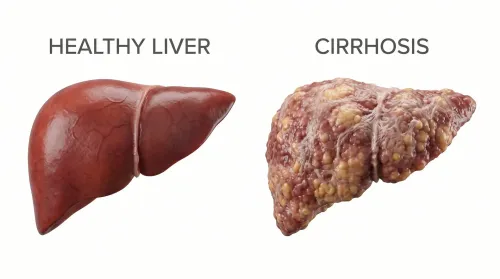
A patient with diabetes, for example, may also have excess body weight, abnormal cholesterol or fatty liver-related metabolic changes. A patient being evaluated for a thyroid condition may have weight or lipid abnormalities requiring separate attention.
Not every associated problem is caused by the endocrine disorder, but identifying relevant coexisting abnormalities can help create a more complete treatment plan.
Another challenge is that some metabolic abnormalities remain clinically silent for a considerable period. Waiting for obvious symptoms can therefore overlook opportunities for earlier monitoring and intervention.
AI-Assisted Clinical Assessment for a Broader Health Picture
AI-assisted assessment can bring different clinical parameters together and help identify relationships or trends that deserve further evaluation.
The parameters reviewed depend on the patient's condition and may include:
- Fasting and post-meal glucose patterns
- HbA1c and other diabetes-related findings
- Thyroid parameters
- Relevant hormonal investigations
- Insulin resistance
- Changes in body weight
- Blood pressure
- Cholesterol and triglycerides
- Fatty liver-related metabolic findings
- Kidney-related parameters where appropriate
- Nutritional abnormalities
- Changes across repeated investigations
The value of this approach is not limited to abnormalities that are already producing symptoms.
Current asymptomatic disease parameters can also be identified and evaluated. At the same time, combinations and trends in health data may indicate areas associated with increased future risk of diabetes-related, cardiovascular, kidney, liver or other metabolic complications.
Recognizing these patterns can prompt further investigation, closer monitoring or modification of controllable risk factors.
Depending on what is identified, clinical action may include nutritional changes, weight management, additional laboratory testing, adjustment of medicines, improved glucose or lipid management and individualized preventive-care planning.
AI-assisted analysis adds information to the clinical decision-making process; diagnosis and treatment continue to depend on appropriate medical evaluation, investigations and clinical judgement.
Metabolic and Supportive Cleansing Care as Part of Endocrine Management
Medication can address an endocrine disorder, but metabolic health is also influenced by everyday factors such as nutrition, body weight and physical activity.
This is where metabolic and supportive cleansing care becomes relevant.
The approach can be individualized to concentrate on areas such as:
- Improving the overall quality of nutrition
- Achieving healthier body weight
- Increasing suitable physical activity
- Supporting insulin sensitivity
- Improving glucose regulation
- Supporting healthier triglyceride and cholesterol levels
- Supporting digestive and nutritional well-being
- Developing sustainable daily health habits
The objective is to address modifiable metabolic factors alongside prescribed medical treatment.
Potential Benefits of Metabolic Support
Depending on the patient's underlying condition, supportive care may contribute to:
- Healthier insulin sensitivity
- More sustainable weight management
- Improved metabolic parameters
- Better nutritional well-being
- Support for glucose and lipid management
- Support for liver-related metabolic health where relevant
- Improved digestive well-being
- Reduction of modifiable cardiometabolic risks
The expected benefit differs according to the endocrine disorder and the patient's existing metabolic health.
Supplementary Therapy Based on Identified Requirements
Nutritional supplementation is most useful when it addresses a defined requirement rather than being used routinely.
Supplementary research-based therapy may therefore include correction of documented vitamin or mineral deficiencies, evidence-informed nutritional interventions and selected metabolic support.
A patient's prescribed medicines, kidney and liver health where relevant, existing conditions and possible interactions are considered before supplementation is introduced.
Follow-up can then determine whether the intervention remains necessary, effective and well tolerated.
Supplementary therapy complements the main endocrine treatment rather than replacing it.
Modern Allopathy for Diagnosed Endocrine Conditions
Different endocrine disorders require different medical strategies.
Diabetes management may involve glucose-lowering medicines or other appropriate therapies. Thyroid disorders require treatment according to the specific diagnosis and thyroid-function findings. Other hormonal conditions require their own investigations, treatment targets and monitoring schedules.
For this reason, modern allopathy is individualized rather than applied as one standard protocol.
Treatment is selected according to the diagnosis, laboratory findings, symptoms, associated conditions and clinical requirements.
Regular scientific monitoring helps determine whether treatment is achieving the intended goals and whether doses or therapies need modification over time.
Four Components Working Toward One Individualized Plan
Comprehensive endocrine care involves more than adding several therapies together.
The purpose of the four-pillar model is to give each component a defined role.
AI-assisted assessment helps reveal relevant current abnormalities and future risk patterns. Metabolic and supportive cleansing care addresses modifiable lifestyle and metabolic factors. Supplementary research-based therapy addresses identified nutritional requirements. Modern evidence-based allopathy provides disease-specific medical treatment.
Together, these strategies allow care to respond to the patient's diagnosed endocrine condition while also addressing metabolic health, associated risk factors and longer-term preventive-care requirements.
Keywords