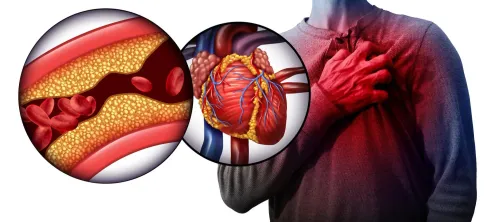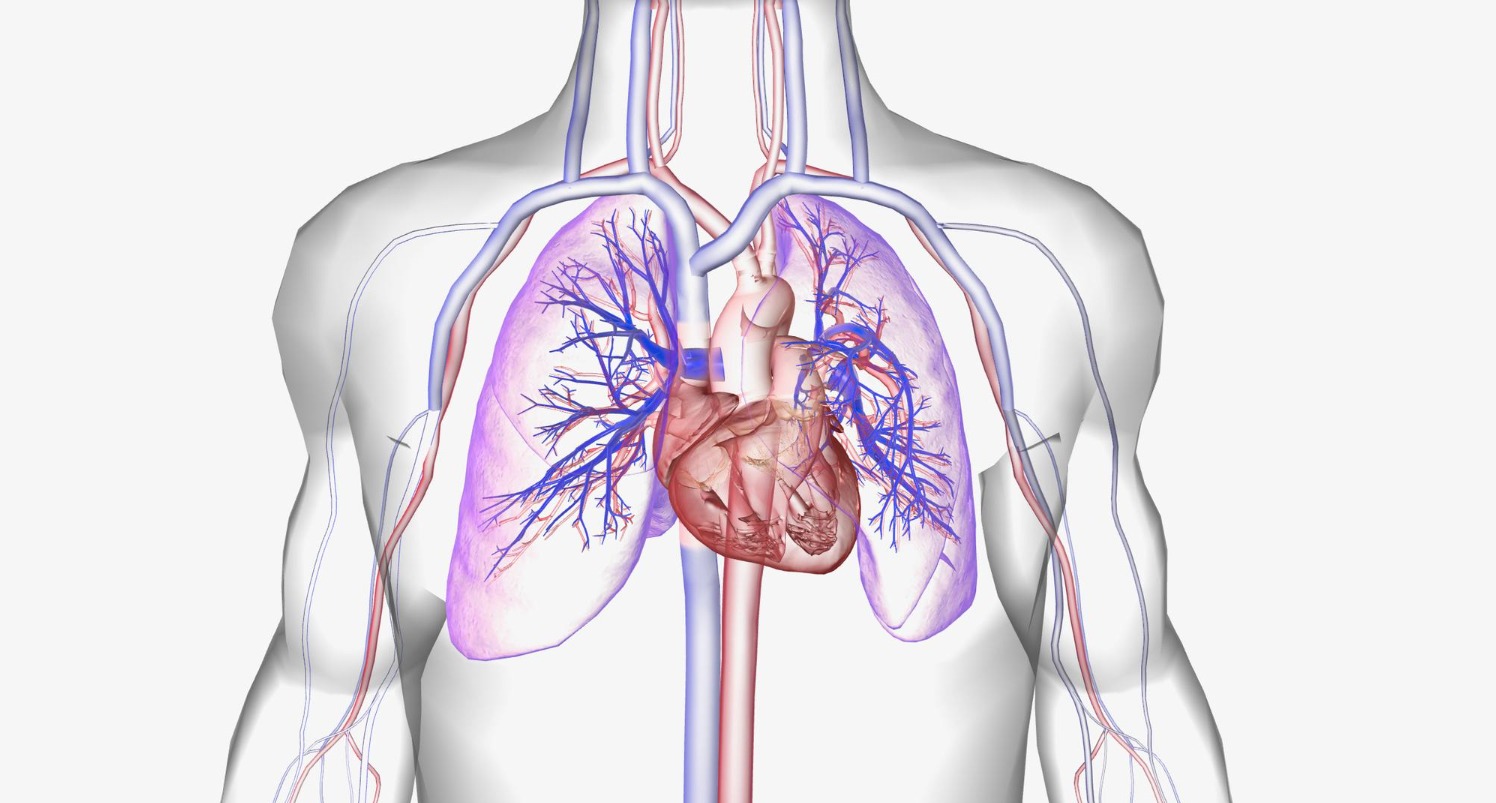
Cardiovascular health can be influenced by several conditions that develop gradually over time. High blood pressure, diabetes, abnormal cholesterol, excess body weight, kidney problems and other metabolic abnormalities may contribute to cardiovascular risk, while people with established heart or vascular disease often require management of several of these factors together.
For people with Cardiovascular Diseases in Kalyan West and surrounding areas of Maharashtra, care therefore involves more than monitoring the heart alone. Blood pressure, glucose metabolism, lipid health, body weight and other relevant risk factors may also need attention alongside appropriate cardiac or vascular treatment.
At Dr. Manoj Lokhande's Diabetes, Thyroid and Hormone Clinic, the integrated approach combines AI-assisted clinical assessment, metabolic and supportive wellness or cleansing care, supplementary research-based therapy and modern evidence-based allopathy within one personalized treatment plan.
Understanding the Factors Behind Cardiovascular Risk
Cardiovascular disease includes different conditions affecting the heart and blood vessels. These may include hypertension, coronary artery disease and conditions associated with an increased risk of heart attack or stroke.
The risk profile is different for every patient.
One person may have longstanding hypertension and diabetes. Another may have abnormal cholesterol and obesity. Someone with established cardiovascular disease may also have kidney dysfunction or other metabolic abnormalities that influence treatment decisions.
Importantly, several cardiovascular risk factors can remain asymptomatic.
High blood pressure, abnormal cholesterol and early glucose abnormalities, for example, may be present without producing obvious warning signs.
Identifying these factors provides an opportunity to address modifiable risks while continuing appropriate management of the diagnosed cardiovascular condition.
AI-Assisted Clinical Assessment for Cardiovascular Health
AI-assisted clinical assessment can help analyse multiple cardiovascular and metabolic parameters together and identify combinations or changing patterns that may require closer clinical attention.
Depending on the patient's condition, assessment may consider:
- Blood-pressure patterns
- Blood glucose and HbA1c
- Diabetes-related parameters
- Insulin resistance
- Cholesterol and triglyceride levels
- Body weight and obesity-related risk
- Kidney-related parameters
- Fatty liver and metabolic health
- Relevant thyroid findings
- Existing heart or vascular disease
- Previous cardiovascular events where relevant
- Changes across repeated investigations
- Patterns associated with future cardiometabolic complications
An important part of AI-assisted assessment is its potential to help identify current disease-related parameters and cardiovascular risk factors even when noticeable symptoms are absent.
AI-assisted analysis may also help recognize patterns associated with increased future cardiovascular risk, particularly when hypertension, diabetes, obesity, abnormal lipids or kidney-related abnormalities occur together.
Earlier recognition of current asymptomatic abnormalities and changing risk patterns can support appropriate clinical action.
Depending on the findings, this may include additional investigations, closer blood-pressure monitoring, improved glucose or lipid management, healthy weight management, nutritional intervention, modification of suitable physical activity and adjustment of medical treatment where clinically required.
For people with established cardiovascular disease or significant risk factors for heart attack or stroke, appropriate cardiac and vascular evaluation remains important.
By considering current health parameters together with future risk indicators, AI-assisted assessment can contribute to personalized preventive-care planning aimed at addressing modifiable cardiovascular and metabolic risks before they contribute to further complications.
AI-assisted analysis supports clinical decision-making and works alongside medical examination, laboratory investigations, appropriate cardiovascular testing and clinical judgement.
Metabolic and Supportive Wellness or Cleansing Care
Cardiovascular and metabolic health are closely connected, particularly when a patient also has obesity, insulin resistance, diabetes, abnormal cholesterol or fatty liver-related metabolic changes.
Metabolic and supportive wellness or cleansing care focuses on these modifiable health factors alongside prescribed cardiovascular treatment.
Depending on the patient's medical condition and physical capabilities, the plan may include:
- Balanced and individualized nutrition
- Healthy and sustainable weight management
- Appropriate physical activity
- Improvement of insulin sensitivity where relevant
- Better glucose regulation
- Support for healthier cholesterol and triglyceride levels
- Digestive and nutritional well-being
- Sustainable lifestyle improvement
The approach is individualized because cardiovascular patients do not all have the same metabolic risks or treatment requirements.
Benefits of Supportive Cleansing Care
When appropriately selected, supportive metabolic care may:
- Support healthier insulin sensitivity
- Contribute to gradual and sustainable weight management
- Support healthier glucose regulation
- Support healthier cholesterol and triglyceride levels
- Support liver and broader metabolic health where relevant
- Support nutritional and digestive well-being
- Help address modifiable cardiometabolic risk factors
- Support sustainable lifestyle changes alongside prescribed treatment
These benefits are supportive in nature. Metabolic and supportive cleansing care does not replace medicines, cardiac investigations or specialist cardiovascular treatment when these are clinically required.
Supplementary Research-Based Therapy
Supplementary research-based therapy may be incorporated when assessment identifies nutritional deficiencies or other specific supportive requirements.
This may include:
- Evidence-informed nutritional support
- Correction of documented vitamin or mineral deficiencies
- Nutritional support during healthy weight management
- Metabolic support according to individual requirements
- Carefully selected supplementation where appropriate
- Support for general nutritional well-being
Supplement selection requires particular attention in people receiving cardiovascular treatment.
Existing medicines, kidney and liver function where relevant, associated medical conditions and potential interactions should be considered before supplementation is introduced.
Where appropriate, supplementary interventions are monitored for effectiveness, tolerability and possible interactions.
They are intended to complement rather than replace evidence-based cardiovascular treatment.
Modern Evidence-Based Allopathy for Cardiovascular Diseases
Modern evidence-based allopathy remains an important part of management when cardiovascular disease or significant cardiovascular risk factors are present.
Treatment is individualized according to the diagnosed condition and may involve management of:
- Hypertension
- Abnormal cholesterol and lipid levels
- Diabetes-related cardiovascular risk
- Established coronary artery disease
- Other heart or vascular conditions
- Risk factors relevant to heart attack or stroke
- Associated metabolic conditions that influence cardiovascular health
Medicines and other therapies are selected according to established medical indications, clinical findings and the patient's overall health profile.
Regular scientific monitoring helps evaluate blood pressure, glucose, cholesterol, kidney-related parameters and other relevant findings while assessing response to treatment.
Patients with symptoms or findings suggesting established heart or vascular disease may require specialized cardiac investigations, procedures or hospital-based treatment. Appropriate cardiology or other specialist evaluation therefore remains an important part of care when clinically indicated.
Multiple Strategies Within One Personalized Cardiovascular Plan
Cardiovascular health is influenced by the interaction between the heart and blood vessels, blood pressure, glucose metabolism, cholesterol, body weight, kidney health, nutrition and lifestyle.
AI-assisted clinical assessment can help identify current cardiovascular and metabolic abnormalities that may be present without noticeable symptoms while also recognizing patterns associated with future cardiometabolic complications.
Metabolic and supportive wellness or cleansing care addresses relevant weight, nutritional and metabolic factors. Supplementary research-based therapy provides individualized support when specific nutritional requirements are identified. Modern evidence-based allopathy provides appropriate treatment and scientific monitoring for diagnosed cardiovascular conditions and major risk factors.
Combining these four strategies allows management to remain focused on the patient's existing cardiovascular condition while also supporting metabolic health, modification of relevant risk factors, personalized preventive-care planning and individualized long-term disease management.
Keywords