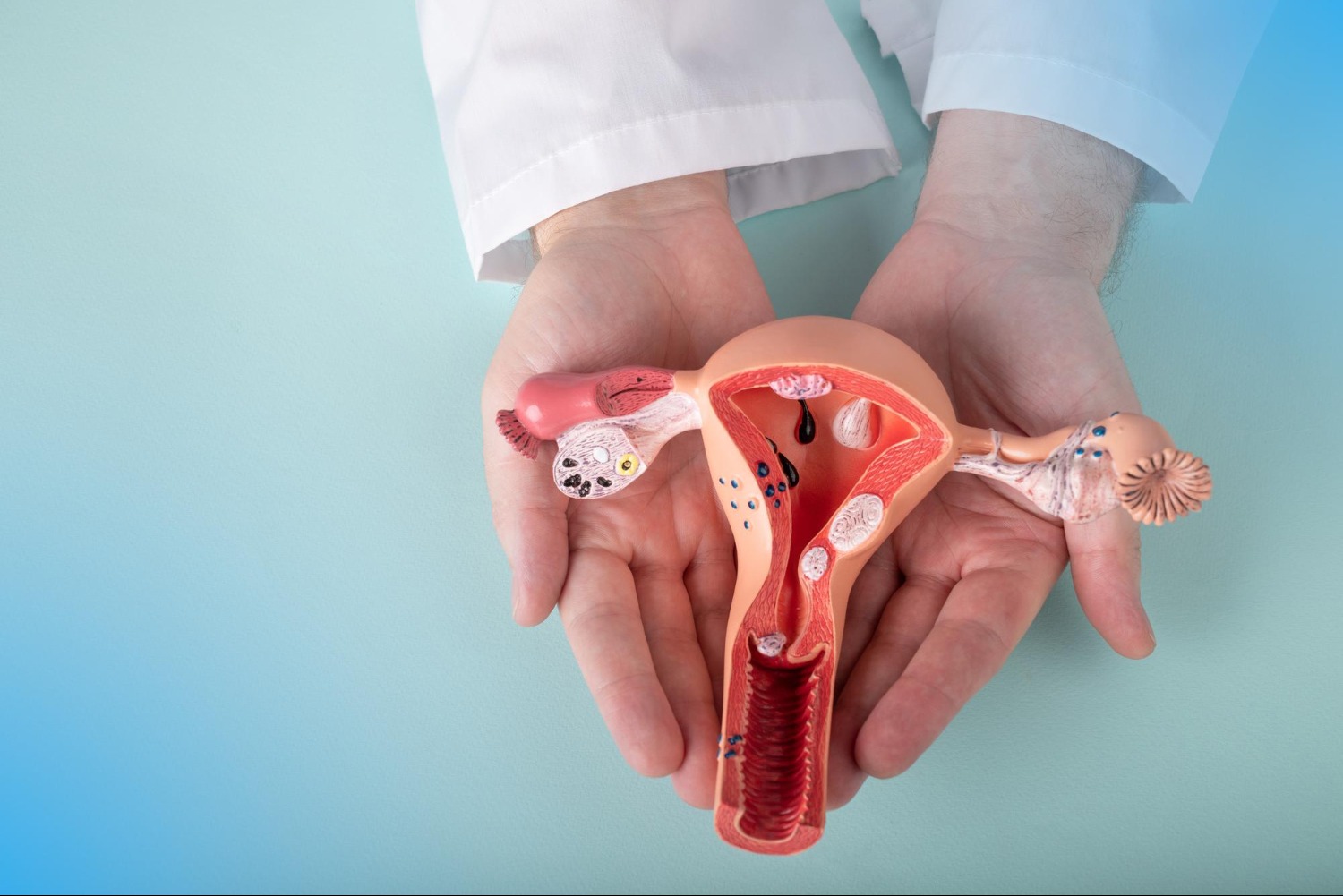
Endometriosis does not affect every woman in the same way. For some, painful periods are the main concern. Others experience persistent pelvic pain, discomfort during intercourse, bowel or bladder symptoms around menstruation, or difficulty conceiving. Some women may have relatively mild symptoms despite having clinically significant disease.
For women with Endometriosis in Kalyan West and surrounding areas of Maharashtra, this variation makes individualized evaluation essential.
At Dr. Manoj Lokhande's Diabetes, Thyroid and Hormone Clinic, associated hormonal and metabolic health can be considered within an integrated framework involving AI-assisted clinical assessment, metabolic and supportive wellness or cleansing care, supplementary research-based therapy and modern evidence-based allopathy, alongside appropriate gynecological care.
Begin With the Woman's Main Clinical Concern
A useful treatment plan starts by understanding how endometriosis is affecting the individual woman.
Assessment may explore menstrual pain, pelvic pain between periods, pain during intercourse, changes in bowel or bladder symptoms around menstruation, previous treatment and reproductive plans.
Fertility requirements are particularly important because treatment priorities can differ between a woman currently trying to conceive and someone whose immediate goal is symptom control.
Other gynecological conditions can produce similar symptoms. Appropriate examination, imaging and specialist gynecological evaluation therefore remain important when endometriosis is suspected or already diagnosed.
AI-Assisted Assessment Can Add a Wider Health Perspective
Endometriosis management primarily requires appropriate gynecological assessment, but women may also have hormonal, metabolic or nutritional concerns requiring attention.
AI-assisted clinical assessment can help organize relevant information such as:
- Menstrual and symptom patterns
- Changes in pain over time
- Previous treatment response
- Reproductive requirements
- Relevant hormonal findings
- Thyroid parameters where indicated
- Body-weight trends
- Blood glucose regulation
- Insulin resistance when relevant
- Lipid and metabolic parameters
- Nutritional findings
- Changes identified during follow-up
This broader review may identify abnormalities that are not producing noticeable symptoms.
For example, a woman undergoing assessment may also have an unrecognized thyroid, glucose, lipid or nutritional abnormality. Such findings should be evaluated according to their own clinical significance rather than automatically being attributed to endometriosis.
AI-assisted analysis may also help recognize changing hormonal or metabolic patterns associated with future health concerns when relevant risk factors coexist.
Identifying these abnormalities can guide further investigation, monitoring, nutritional intervention, weight management or medical treatment.
This allows current symptoms and relevant longer-term health risks to be considered together while AI remains supportive to—not a replacement for—medical examination, laboratory investigations, imaging and clinical judgement.
Supporting Metabolic Health Without Claiming to Remove Endometriosis
The customer's metabolic and supportive wellness or cleansing component is used to address modifiable health factors, not to claim that cleansing eliminates endometrial lesions.
Depending on individual requirements, supportive care may involve:
- Balanced and adequate nutrition
- Sustainable weight management where appropriate
- Suitable physical activity according to symptoms
- Support for insulin sensitivity when relevant
- Better glucose and lipid management when abnormalities coexist
- Digestive and nutritional well-being
- Sustainable lifestyle habits
The focus is on supporting the woman's general metabolic and nutritional health alongside disease-specific treatment.
Where Supportive Care May Be Helpful
According to the woman's health profile, it may:
- Support healthy body weight
- Improve insulin sensitivity when insulin resistance is present
- Support healthier glucose and triglyceride levels
- Improve nutritional adequacy
- Support digestive well-being
- Support energy and general health
- Address modifiable cardiometabolic risk factors when present
These measures complement endometriosis management but do not replace medical or surgical treatment when such treatment is clinically indicated.
Supplementary Support Based on Identified Needs
Supplementary research-based therapy is individualized according to nutritional findings and clinical requirements.
If assessment identifies a vitamin, mineral or other nutritional deficiency, appropriate correction may be considered. Evidence-informed nutritional support may also be incorporated according to the woman's dietary needs and overall health.
Existing medicines, reproductive plans, associated conditions and potential interactions are reviewed before supplements are introduced.
This keeps supplementation focused on an identified requirement rather than presenting supplements as a direct treatment for endometriosis.
Modern Allopathy According to Symptoms and Reproductive Plans
Modern evidence-based treatment is selected according to the woman's symptoms, disease status, previous treatment and fertility goals.
Medical management may include appropriate pain-relieving or hormonal treatment when clinically indicated.
Women with persistent symptoms, significant fertility concerns, suspected extensive disease or inadequate response to medical management may require specialist gynecological assessment for further investigation or procedural or surgical options.
The objective is not to avoid surgery at all costs but to choose treatment according to clinical need.
An Endometriosis Plan That Reflects Individual Priorities
Integrated care is useful when the roles of the different strategies remain clear.
AI-assisted clinical assessment can organize relevant hormonal, metabolic and nutritional information and identify additional health risks. Metabolic and supportive wellness or cleansing care addresses modifiable general-health factors. Supplementary research-based therapy supports identified nutritional requirements. Modern evidence-based allopathy and appropriate gynecological care directly address endometriosis symptoms and disease-specific needs.
This creates a personalized plan that can adapt as symptoms, reproductive goals and overall health change.
Keywords