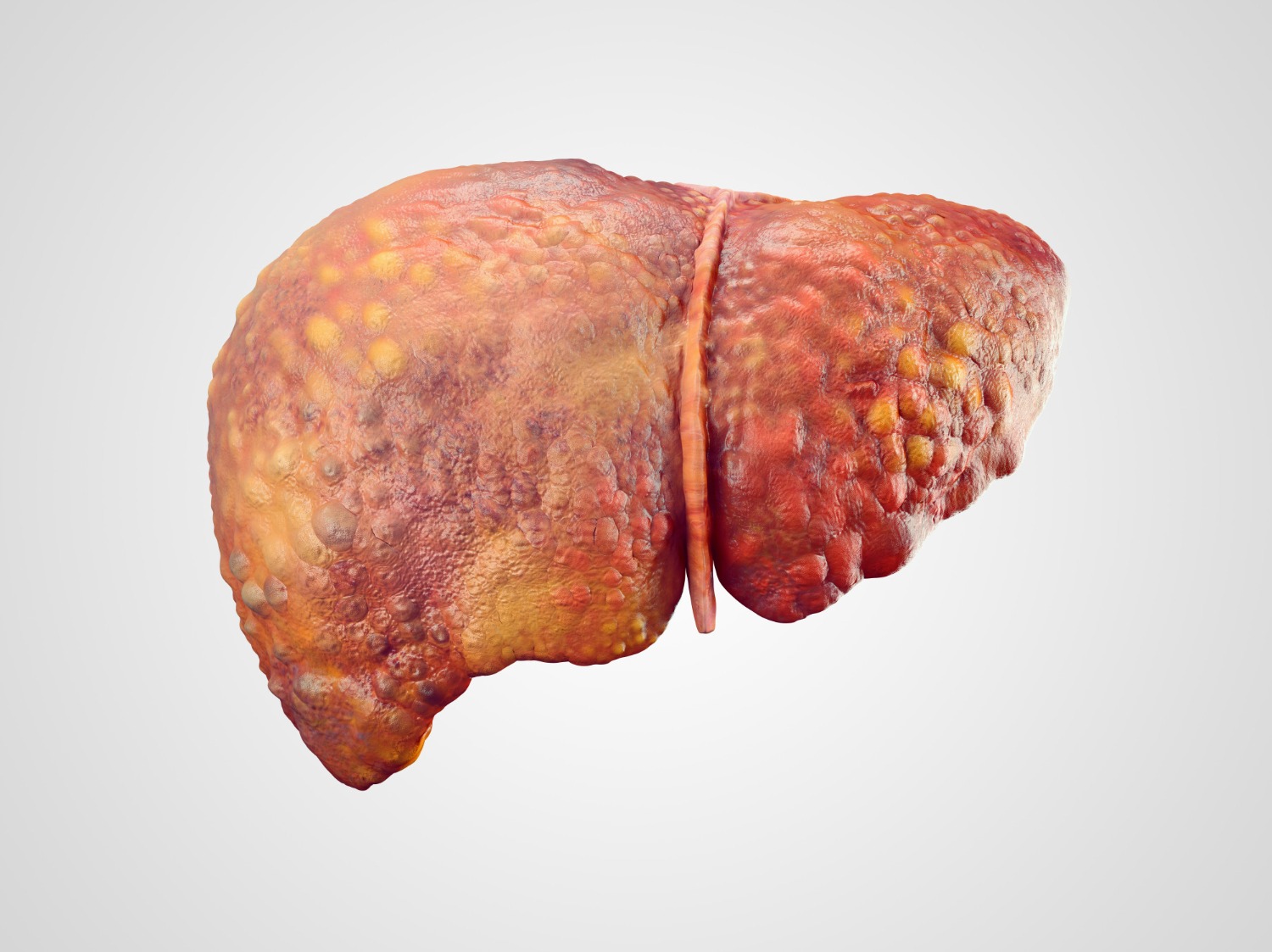
Liver cirrhosis represents advanced scarring caused by long-term liver injury. Once cirrhosis is present, care needs to focus on the cause of liver disease, the current level of liver function, possible complications and the person's nutritional and metabolic health.
For patients with Liver Cirrhosis in Kalyan West and surrounding areas of Maharashtra, this is especially important because unmonitored supplements, restrictive diets or so-called detox programs can be inappropriate in significant liver disease.
At Dr. Manoj Lokhande's Diabetes, Thyroid and Hormone Clinic, endocrine and metabolic factors can be managed through an integrated framework of AI-assisted clinical assessment, carefully selected metabolic and supportive wellness or cleansing care, supplementary research-based therapy and modern evidence-based allopathy, coordinated with specialist liver care when required.
Cirrhosis Changes the Priorities of Supportive Care
The supportive approach used for uncomplicated metabolic conditions cannot automatically be applied to someone with cirrhosis.
Patients may have different nutritional requirements, altered medication handling and complications that require specialist monitoring.
Assessment therefore needs to consider:
- Cause and known stage of liver disease
- Liver-related laboratory findings
- Current symptoms
- Diabetes and glucose regulation
- Body weight and nutritional status
- Kidney-related parameters
- Existing medicines
- Alcohol exposure where relevant
- Associated metabolic conditions
- Previous complications or hospital treatment
- Changes across follow-up investigations
Urgent medical assessment is required when symptoms suggest significant deterioration or a cirrhosis-related complication.
AI-Assisted Assessment for Changing Clinical Patterns
Cirrhosis often requires repeated investigations rather than a one-time health assessment.
AI-assisted clinical assessment can help organize trends across liver-related, metabolic and other relevant parameters and identify changes requiring clinical review.
For example, it may help clinicians consider changes in glucose control, kidney-related parameters, nutritional status, body weight and other metabolic findings alongside the patient's established liver condition.
It can also help identify asymptomatic metabolic abnormalities and changing patterns associated with future health risks.
The appropriate response may involve additional laboratory testing, adjustment of diabetes management, nutritional intervention, medicine review or specialist hepatology or gastroenterology assessment.
AI-assisted analysis does not diagnose the stage of cirrhosis, predict an individual outcome with certainty or replace established liver investigations. It remains supportive to appropriate imaging, laboratory testing, specialist assessment and clinical judgement.
Redefining Cleansing Care in Someone With Cirrhosis
In liver cirrhosis, metabolic and supportive wellness or cleansing care should not mean aggressive detoxification.
The liver is already medically vulnerable, and unproven detox products, extreme diets or unsupervised herbal remedies may create additional risk.
Instead, the supportive component focuses on medically appropriate measures such as:
- Adequate and individualized nutrition
- Appropriate weight management where suitable
- Diabetes and glucose management
- Support for nutritional deficiencies
- Suitable physical activity according to clinical status
- Management of associated metabolic abnormalities
- Avoidance of potentially harmful or unnecessary products
What Carefully Selected Support May Achieve
Depending on the patient's condition, it may:
- Support adequate nutrition
- Support healthier glucose management
- Assist appropriate weight management
- Help address coexisting metabolic abnormalities
- Support strength and general well-being
- Improve coordination between metabolic and liver-related care
It should not be described as reversing cirrhosis, removing liver toxins or restoring damaged liver tissue.
Supplements Require Liver-Specific Safety Checks
Supplementary research-based therapy requires greater caution when liver function is impaired.
A documented nutritional deficiency may require correction, but the choice and dose of supplements should take liver status, kidney health, current medicines and potential interactions into account.
Herbal or “natural” products should not automatically be assumed to be safe for the liver.
Supplementary interventions are therefore used only when clinically appropriate and remain supportive to established liver-disease management.
Modern Medical Treatment Remains Central
Modern evidence-based allopathy and appropriate specialist liver care are central to cirrhosis management.
Treatment depends on the underlying cause, current liver function and presence of complications.
Management may involve disease-specific medicines, treatment of associated diabetes or metabolic conditions, monitoring for complications and appropriate liver-focused investigations.
Patients with advanced disease may require hepatology or gastroenterology care and assessment for specialized interventions. Liver transplantation evaluation may be appropriate for selected patients according to established clinical criteria.
Coordinating Metabolic Care With Liver Care
The four-pillar model needs to be adapted to the seriousness of liver cirrhosis.
AI-assisted assessment helps organize changing clinical and metabolic information. Metabolic and supportive wellness or cleansing care is limited to medically appropriate nutritional and metabolic support. Supplementary research-based therapy addresses carefully identified nutritional requirements, while modern evidence-based allopathy and specialist liver care remain responsible for disease-specific management.
This creates an integrated plan without allowing supportive therapies to replace the medical monitoring that cirrhosis requires.
Keywords