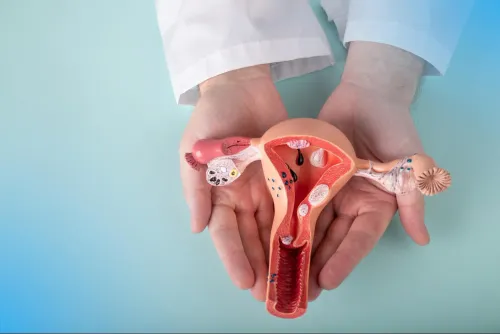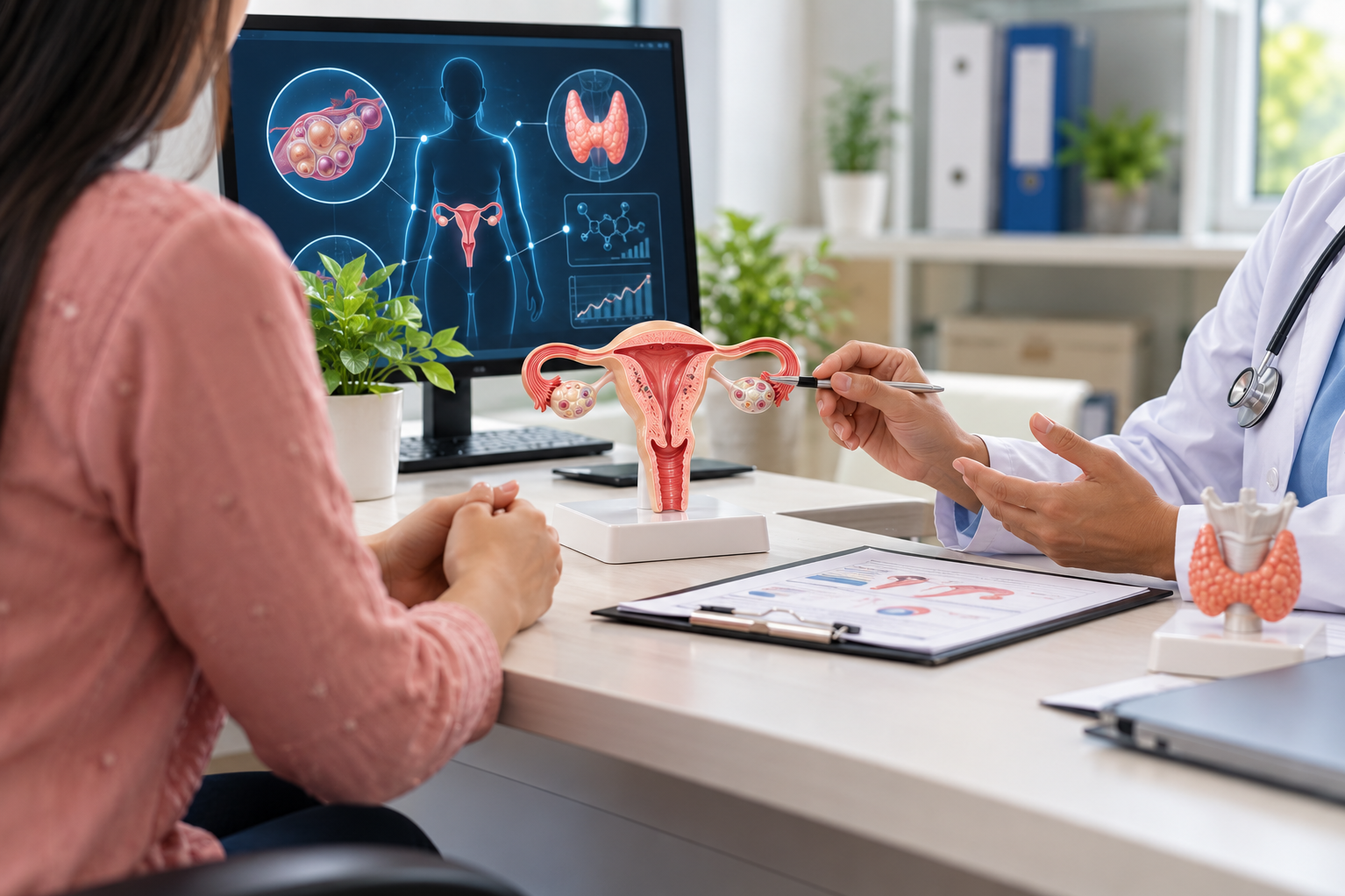
A menstrual problem is a symptom pattern, not a single diagnosis. Periods can become irregular, unusually heavy, prolonged, infrequent or painful for many different reasons.
PCOD and thyroid disorders can influence menstrual cycles, but fibroids, endometriosis, adenomyosis and other gynecological conditions may also cause menstrual symptoms. Life stage, medicines, reproductive factors and other medical conditions can be relevant as well.
For women with Menstrual Problems in Kalyan West and surrounding areas of Maharashtra, the first objective is therefore to understand what has changed and why.
At Dr. Manoj Lokhande's Diabetes, Thyroid and Hormone Clinic, hormonal and metabolic contributors can be evaluated through AI-assisted clinical assessment, metabolic and supportive wellness or cleansing care, supplementary research-based therapy and modern evidence-based allopathy, with gynecological evaluation when appropriate.
The Menstrual Pattern Provides Important Clues
Assessment starts with details that are sometimes lost when a problem is described simply as “irregular periods.”
Important questions include:
How often are periods occurring?
Has the amount of bleeding changed?
How long does bleeding continue?
Is menstruation painful?
Is there bleeding between periods?
Has the woman's usual cycle changed recently?
Are there PCOD, thyroid or other hormonal symptoms?
Is pregnancy being planned?
Answers to these questions help determine what investigations may be appropriate.
Heavy or persistent bleeding, severe pain and other concerning menstrual changes may require gynecological examination or imaging rather than hormonal assessment alone.
Using AI-Assisted Assessment to Connect the Menstrual and Hormonal Picture
When an endocrine or metabolic contributor is suspected, AI-assisted clinical assessment can help organize information from menstrual history and relevant investigations.
Parameters may include:
- Menstrual-cycle patterns over time
- Relevant reproductive hormone findings
- Thyroid-function parameters
- PCOD-related findings
- Blood glucose
- Insulin resistance
- Body-weight trends
- Lipid and metabolic parameters
- Hemoglobin and iron-related findings when appropriate
- Nutritional parameters
- Changes identified during follow-up
This may reveal abnormalities that are not yet causing obvious symptoms.
For example, a woman seeking care for irregular menstruation may also have insulin resistance or an unrecognized thyroid abnormality. A woman with heavy periods may have developed iron deficiency before experiencing prominent symptoms of anemia.
AI-assisted analysis may also help identify changing hormonal and metabolic patterns associated with future health risks.
Earlier recognition can support appropriate laboratory testing, nutritional intervention, weight management, correction of deficiencies and medical treatment.
The aim is to connect current menstrual concerns with relevant asymptomatic abnormalities and future risk indicators so that preventive-care planning can be individualized.
AI-assisted assessment supports rather than replaces clinical examination, laboratory testing, imaging and gynecological judgement.
Metabolic Support Is Relevant Only When Metabolic Factors Contribute
Not every menstrual problem improves through weight loss or metabolic intervention.
When PCOD, insulin resistance, excess weight or abnormal glucose metabolism contributes to menstrual irregularity, however, metabolic and supportive wellness or cleansing care may become relevant.
The plan may include:
- Individualized balanced nutrition
- Sustainable weight management where appropriate
- Suitable physical activity
- Improvement of insulin sensitivity
- Support for healthier glucose regulation
- Nutritional support according to individual requirements
- Digestive and general nutritional well-being
Potential Benefits in the Appropriate Patient
When metabolic abnormalities contribute, supportive care may:
- Improve insulin sensitivity
- Support sustainable weight management
- Support healthier glucose and triglyceride levels
- Support menstrual regularity
- Support ovulatory health where relevant
- Improve broader metabolic well-being
- Support nutritional health
These benefits should not be generalized to menstrual problems caused by structural gynecological conditions.
Nutritional Deficiencies Need Their Own Treatment
Supplementary research-based therapy becomes particularly relevant when investigation identifies a nutritional deficiency.
For example, significant menstrual blood loss may contribute to iron deficiency in some women. Appropriate assessment can determine whether iron or another nutritional intervention is needed.
Other vitamin or mineral deficiencies are corrected according to documented requirements.
Supplements are selected with consideration of existing medicines, reproductive plans, medical conditions and potential interactions rather than being routinely prescribed for every menstrual complaint.
Medical Treatment Depends on the Cause
Modern evidence-based allopathy is selected after the likely cause and treatment priority have been established.
Management may be required for PCOD-related irregular cycles, thyroid dysfunction, heavy menstrual bleeding, painful periods or another diagnosed hormonal condition.
Medicines or hormonal therapies may be used according to established clinical indications.
If assessment suggests fibroids, adenomyosis, endometriosis or another structural condition, appropriate gynecological imaging, specialist assessment or procedural treatment may be necessary.
Treat the Reason for the Menstrual Change
A menstrual symptom becomes easier to manage when the treatment plan is based on its likely cause.
AI-assisted clinical assessment helps connect menstrual information with relevant hormonal and metabolic findings. Metabolic and supportive wellness or cleansing care addresses modifiable factors when they genuinely contribute. Supplementary research-based therapy corrects identified nutritional needs, while modern evidence-based allopathy provides condition-specific treatment.
This allows menstrual care to remain personalized rather than applying the same hormonal or metabolic strategy to every woman with a change in her periods.
Keywords