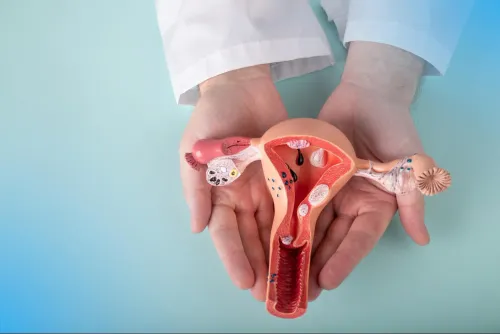
Heavy or prolonged periods, increasing menstrual pain and persistent pelvic discomfort can sometimes occur with adenomyosis. The condition affects the muscular wall of the uterus and may significantly influence menstrual health and everyday comfort.
For women seeking adenomyosis care in Kalyan West and surrounding areas of Maharashtra, individualized assessment is important because symptoms, severity and reproductive considerations can differ between women.
At Dr. Manoj Lokhande's Diabetes, Thyroid and Hormone Clinic, supportive management can incorporate AI-assisted assessment, metabolic and supportive cleansing care, modern evidence-based allopathy and supplementary research-based therapy according to individual clinical requirements.
Recognizing Adenomyosis-Related Patterns
Adenomyosis may cause heavy periods, severe menstrual cramps, pelvic pressure, tenderness and persistent discomfort.
Repeated heavy bleeding may also contribute to iron deficiency or anemia in some women.
Because similar symptoms can occur with other gynecological conditions, appropriate clinical and gynecological evaluation is important for establishing the underlying cause and determining suitable management.
AI-Assisted Assessment of Current and Future Health Patterns
AI-assisted assessment can help analyse multiple health parameters and organize information related to:
- Frequency and duration of bleeding
- Changes in menstrual blood loss
- Menstrual pain patterns
- Pelvic discomfort
- Relevant hormonal findings
- Laboratory changes associated with prolonged bleeding
- Nutritional deficiencies related to heavy bleeding
- Changes across menstrual cycles
- Response to ongoing management
- Metabolic or nutritional parameters requiring closer evaluation
- Patterns associated with potential future complications
AI-assisted analysis may help identify current disease-related or associated health parameters even when some abnormalities are not yet causing noticeable symptoms.
For example, early laboratory changes associated with iron deficiency, nutritional problems or other relevant abnormalities may require attention before more prominent symptoms develop.
AI-assisted assessment may also help recognize changing patterns that could indicate a greater likelihood of future health complications associated with persistent symptoms, prolonged bleeding, nutritional deficiencies or other relevant health factors.
Identifying such findings at an earlier stage can support appropriate clinical action. Depending on the results, this may include further investigations, closer monitoring of bleeding or laboratory parameters, correction of identified nutritional deficiencies, treatment modification and timely gynecological evaluation.
By considering current asymptomatic or early abnormalities together with changing health-risk indicators, AI-assisted assessment can support individualized treatment and preventive-care planning aimed at reducing modifiable factors that may contribute to future complications.
AI-assisted assessment does not independently diagnose adenomyosis. It works alongside appropriate clinical evaluation, investigations, imaging when indicated and gynecological assessment.
Supportive Cleansing and Wellness Care
Lifestyle or nutritional measures do not remove adenomyosis. However, supportive cleansing and wellness care can address general metabolic, nutritional and digestive health while condition-specific treatment continues.
The approach may focus on:
- Balanced and appropriate nutrition
- Digestive well-being
- Healthy and sustainable weight management
- Appropriate physical activity
- Adequate nutritional support
- Correction of nutritional concerns when clinically identified
- Supporting general metabolic well-being
Nutritional support can be particularly relevant when prolonged or heavy menstrual bleeding affects iron status, energy or overall nutritional health.
Benefits of Supportive Cleansing Care
Appropriately selected supportive care:
- May support energy and general well-being when prolonged bleeding contributes to fatigue
- Can support nutritional health alongside medical correction of identified deficiencies
- May contribute to digestive comfort and reduced bloating
- Can support sustainable lifestyle and weight management where relevant
- May help maintain general metabolic well-being during ongoing treatment
- Can support overall nutritional status during prolonged menstrual health concerns
These measures support overall health and are not a treatment or cure for adenomyosis itself.
Modern Evidence-Based Allopathy
Medical management is individualized according to bleeding, pain, age, reproductive plans, investigation findings and overall clinical requirements.
Appropriate medicines or hormonal therapies may be considered when clinically indicated.
Monitoring and treatment may also be required for iron deficiency or anemia associated with prolonged bleeding.
Regular assessment helps evaluate symptom patterns, bleeding changes, treatment response and relevant laboratory parameters. Treatment can then be adjusted according to changing clinical requirements.
Referral for appropriate gynecological or procedural management may be required depending on the severity of adenomyosis, response to treatment and individual reproductive needs.
Supplementary Research-Based Therapy
When nutritional deficiencies are identified, supplementary research-based therapy can provide targeted support alongside standard treatment.
This may include:
- Evidence-informed nutritional interventions
- Correction of identified iron deficiency
- Correction of relevant vitamin or mineral deficiencies
- Nutritional support where prolonged bleeding affects overall nutritional status
- Carefully selected supplements according to individual clinical requirements
- Support for energy and general nutritional well-being
Supplementation should be selected according to laboratory findings, current medicines, individual health conditions and safety considerations.
Where appropriate, it is monitored for effectiveness, tolerability, safety and possible interactions with ongoing treatment.
Supplementary research-based therapy complements rather than replaces condition-specific medical or gynecological management.
Personalized Adenomyosis Management
Adenomyosis management should remain centred on the woman's actual symptoms, bleeding pattern, nutritional status, reproductive considerations and clinical requirements.
AI-assisted assessment may help recognize current associated abnormalities that are not yet producing prominent symptoms and identify changing patterns associated with future complications. This can support earlier investigation, closer monitoring and appropriate action when potentially modifiable concerns are identified.
The four treatment components are therefore coordinated within an individualized plan: AI-assisted assessment helps evaluate relevant health patterns, supportive cleansing care addresses appropriate nutritional and wellness needs, modern allopathy manages condition-specific medical requirements, and supplementary research-based therapy addresses identified nutritional needs.
The overall objective is to support appropriate symptom management, nutritional health, early recognition of changing risks and individualized ongoing care without presenting AI-assisted assessment, cleansing care or supplementary therapies as replacements for appropriate adenomyosis diagnosis and condition-specific treatment.
Keywords