Cardiovascular diseases are frequently influenced by interconnected risk factors such as hypertension, abnormal cholesterol, diabetes, obesity and metabolic dysfunction.
For people managing cardiovascular disease in Kalyan West and surrounding areas of Maharashtra, understanding these factors can support more individualized long-term care.
At Dr. Manoj Lokhande's Diabetes, Thyroid and Hormone Clinic, the integrated approach combines AI-assisted clinical assessment, supportive metabolic and cleansing care, modern evidence-based allopathy and supplementary research-based therapy.
Understanding Cardiometabolic Risk
Blood pressure, cholesterol, triglycerides, glucose, body weight and metabolic health can collectively influence cardiovascular risk.
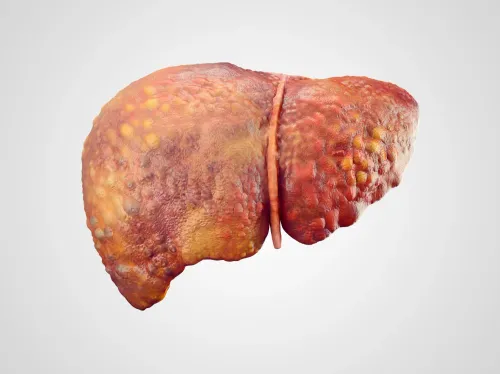
Diabetes, insulin resistance, obesity and fatty liver may also occur alongside cardiovascular risk factors in some individuals. Assessing these parameters together can provide a broader picture than considering one reading independently.
This comprehensive assessment can help identify modifiable factors that may require treatment, lifestyle intervention or closer long-term monitoring.
AI-Assisted Cardiovascular Risk Assessment
AI-assisted assessment can analyse multiple cardiovascular and metabolic health parameters together to help identify patterns requiring closer clinical attention.
Relevant analysis may include:
- Blood pressure trends
- Cholesterol and triglyceride patterns
- Blood glucose abnormalities
- Diabetes-related cardiovascular factors
- Weight and obesity-related risks
- Insulin resistance and metabolic abnormalities
- Fatty liver-related metabolic factors where relevant
- Other cardiometabolic indicators
- Changes in cardiovascular risk parameters over time
- Patterns associated with future cardiovascular and metabolic complications
An important part of AI-assisted assessment is its potential to help identify current disease-related parameters and cardiometabolic abnormalities even when the individual does not have noticeable symptoms.
This can be particularly relevant because hypertension, abnormal glucose regulation, cholesterol abnormalities and other cardiovascular risk factors may sometimes remain unnoticed without appropriate assessment.
AI-assisted analysis may also help recognize patterns associated with an increased risk of future cardiovascular and metabolic complications.
Earlier recognition of current asymptomatic abnormalities and developing risk patterns can support timely clinical evaluation and appropriate action. Depending on the findings, this may include additional investigations, closer monitoring, improved blood pressure or glucose management, lipid management, weight reduction, lifestyle modification and adjustment of medical treatment where clinically indicated.
By bringing together current asymptomatic disease parameters and future complication-risk indicators, AI-assisted assessment can support personalized preventive-care planning aimed at addressing modifiable risks before significant complications develop.
AI-assisted analysis works alongside medical examination, appropriate investigations and clinical judgement rather than replacing them.
Supportive Cleansing Care for Cardiometabolic Health
Nutrition, physical activity, excess body weight, glucose abnormalities and insulin resistance can influence several cardiovascular risk factors.
Individualized supportive cleansing care may therefore focus on:
- Healthy and sustainable weight management
- Improving insulin sensitivity
- Better glucose regulation
- Supporting healthier lipid levels
- Supporting liver and metabolic health
- Appropriate physical activity
- Digestive and nutritional well-being
- Sustainable dietary habits
These measures are intended to complement rather than replace cardiovascular medicines, investigations or procedures.
Benefits of Supportive Cleansing Care
Appropriately selected supportive metabolic care may:
- Support healthier insulin sensitivity and metabolic function
- Contribute to improved blood sugar and triglyceride control alongside prescribed treatment
- Support healthier cholesterol and blood pressure trends when nutrition, activity and weight improve
- Support gradual and sustainable weight management
- Support liver and metabolic health when obesity, insulin resistance or fatty liver coexist
- Contribute to improved energy and general well-being as cardiometabolic health improves
- Help address modifiable lifestyle factors associated with cardiovascular risk
These outcomes support appropriate medical management and do not substitute for cardiovascular medicines or procedures where clinically necessary.
Modern Evidence-Based Allopathy
Evidence-based medical treatment remains central when cardiovascular disease or associated risk factors require medication or advanced management.
Treatment may include appropriate therapies for:
- Hypertension
- Abnormal cholesterol and triglycerides
- Diabetes
- Other diagnosed cardiovascular conditions
- Relevant metabolic risk factors
Treatment selection depends on individual clinical findings, associated conditions and established medical indications.
Regular scientific monitoring allows treatment to be adjusted according to clinical response and supports appropriate disease control.
Monitoring blood pressure, glucose, lipids, body weight and other relevant parameters can also help identify changing risks and support management of factors associated with future cardiovascular complications.
Supplementary Research-Based Therapy
Supplementary therapy may be considered when nutritional deficiencies or additional metabolic support requirements are identified.
This may include:
- Evidence-informed nutritional and metabolic support
- Correction of identified vitamin, mineral or nutritional deficiencies
- Nutritional strategies supporting metabolic health and insulin sensitivity
- Carefully selected supplementation according to individual requirements
- Support for energy and general well-being where appropriate
Supplement selection requires particular care in people taking cardiovascular medicines because potential interactions, individual health conditions and treatment compatibility must be considered.
Supplementary interventions should be monitored for effectiveness, tolerability, safety and possible interactions.
They are designed to complement rather than replace evidence-based cardiovascular treatment.
Building a Long-Term Cardiovascular Strategy
Cardiovascular care becomes more comprehensive when diagnosed disease, current risk factors and possible future health risks are evaluated together.
The integrated approach brings cardiovascular risk assessment, metabolic health, lifestyle support and evidence-based medical treatment together within an individualized plan.
AI-assisted assessment may help identify current disease-related parameters even when noticeable symptoms are absent and recognize patterns associated with future cardiovascular or metabolic complications. This can support earlier clinical evaluation, closer monitoring and appropriate preventive action aimed at reducing modifiable risks before complications develop.
Supportive cleansing care addresses relevant metabolic and lifestyle factors, modern allopathy manages diagnosed cardiovascular conditions and risk factors, and supplementary research-based therapy addresses appropriate nutritional and metabolic needs.
The overall focus remains on appropriate disease management, healthier cardiometabolic parameters, early recognition of changing risks, personalized preventive care and long-term management of modifiable cardiovascular risk factors.
Keywords