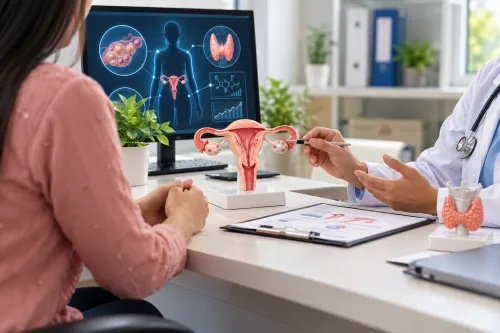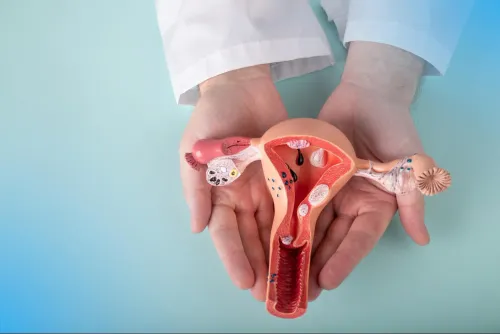
Infertility can involve female factors, male factors or a combination of both. Ovulatory difficulties, PCOD, thyroid abnormalities, reproductive conditions, male reproductive factors, diabetes, obesity and hormonal or metabolic abnormalities may all require consideration.
For couples seeking Infertility Treatment (Male and Female) in Kalyan West and surrounding areas of Maharashtra, comprehensive evaluation can consider reproductive health together with metabolic, hormonal, nutritional and lifestyle factors.
Evaluating Fertility From Both Perspectives
Female evaluation may consider menstrual and ovulatory patterns, PCOD, thyroid function, reproductive hormones and appropriate gynecological factors.
Male evaluation may involve reproductive testing together with relevant hormonal and metabolic assessment.
AI-Assisted Clinical Assessment for Male and Female Infertility
AI-assisted assessment may analyse patterns involving:
- Blood glucose
- Insulin resistance
- Thyroid function
- Body weight
- Obesity-related metabolic risk
- PCOD-related changes
- Relevant reproductive hormones
- Cholesterol and triglycerides
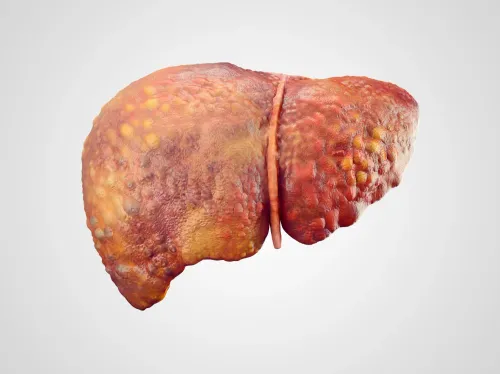
- Fatty liver-related metabolic health
- Nutritional deficiencies
- Male hormonal parameters where relevant
- Cardiometabolic risk indicators
Some hormonal or metabolic abnormalities may be present even without obvious symptoms.
AI-assisted analysis may also identify patterns associated with future metabolic health risks. Earlier recognition can guide further investigations, monitoring, weight management, nutrition, lifestyle changes and appropriate treatment adjustment.
AI does not replace semen analysis, imaging, laboratory testing or specialist fertility evaluation.
Metabolic and Supportive Cleansing Care During Infertility Treatment
In women with PCOD, obesity or insulin resistance, appropriate weight and metabolic improvement may support insulin sensitivity, menstrual regularity and ovulatory function.
These changes may provide additional support when metabolic factors contribute to fertility difficulties.
Diabetes, obesity and metabolic abnormalities can also influence male health. When obesity or metabolic disease affects testosterone status, libido or sexual well-being, healthier weight and metabolic function may provide support.
Supportive care can also focus on nutrition, physical activity, digestive well-being and sustainable lifestyle measures.
These strategies complement fertility management and do not guarantee conception.
Modern Evidence-Based Allopathy for Male and Female Infertility
Medical treatment depends on the actual fertility factors identified.
Some patients may need endocrine treatment, while others may require gynecological, andrological or specialist fertility management.
Treatment is individualized according to clinical findings and established indications.
Scientific monitoring helps evaluate response and allows management to be adjusted according to changing clinical requirements.
Supplementary Research-Based Therapy During Infertility Treatment
Evidence-informed supportive therapy may correct documented vitamin, mineral and nutritional deficiencies.
Carefully selected nutritional interventions may support metabolic and reproductive health where clinically appropriate.
Selection considers individual requirements, existing medicines, interactions, effectiveness, tolerability and safety.
Supplementary therapy complements rather than replaces fertility-specific medical treatment.
Bringing Both Partners Into One Personalized Strategy
The goal is to optimize nutrition, support metabolic and hormonal health, complement fertility treatment and improve overall well-being.
A comprehensive plan can address reproductive factors while also identifying modifiable metabolic risks affecting long-term health.
Keywords