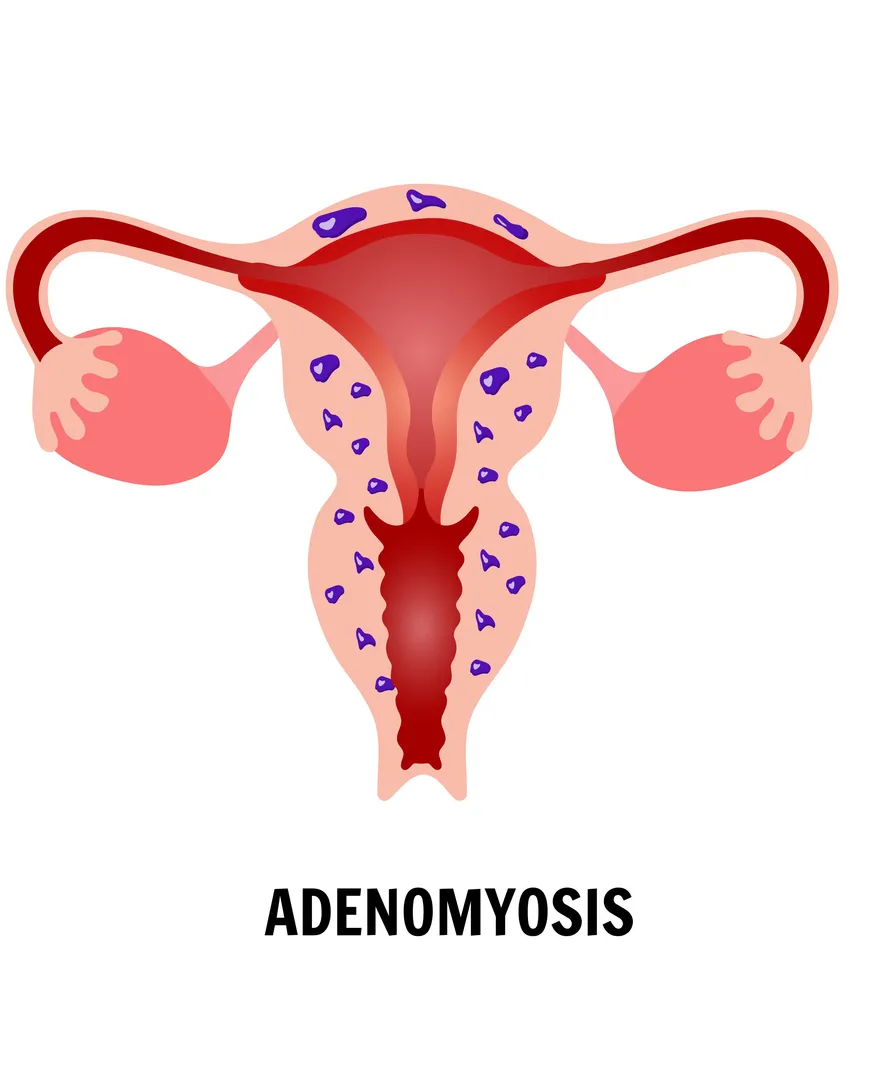
Adenomyosis may be associated with painful periods, heavy menstrual bleeding, pelvic discomfort and symptoms that interfere with daily activities and quality of life.
For women seeking Adenomyosis care in Kalyan West and surrounding areas of Maharashtra, appropriate gynecological assessment remains central. Persistent bleeding, pain, nutrition and coexisting hormonal or metabolic factors may also require attention.
At Dr. Manoj Lokhande's Diabetes, Thyroid and Hormone Clinic, these broader health factors can be assessed alongside condition-specific care.
Understanding How Adenomyosis Affects Each Woman
Symptoms and severity can differ considerably. Assessment may consider menstrual patterns, bleeding, pain, reproductive requirements and appropriate imaging findings.
Where relevant, anemia-related parameters, thyroid function, glucose metabolism, insulin resistance, body weight, nutritional status and hormonal findings may also be evaluated.
AI-Assisted Clinical Assessment for Adenomyosis
AI-assisted assessment can help analyse multiple health parameters together, including:
- Blood glucose
- Insulin resistance
- Thyroid-related changes
- Weight and metabolic patterns
- Cholesterol and triglycerides
- Blood pressure
- Nutritional deficiencies
- Anemia-related findings
- Relevant hormonal abnormalities
- Cardiometabolic risk indicators
Some abnormalities may exist without prominent symptoms.
AI-assisted analysis may also identify patterns associated with future metabolic health concerns. Earlier recognition can support additional investigations, monitoring, nutrition planning, weight management, lifestyle changes and preventive-care planning.
AI remains an aid to clinical decision-making and does not replace gynecological examination, imaging, laboratory investigations or clinical judgement.
Metabolic and Supportive Cleansing Care for Adenomyosis
Supportive care focuses on individualized nutrition, sustainable weight management, regular physical activity, digestive health and healthy lifestyle measures.
Where insulin resistance, obesity, diabetes or lipid abnormalities coexist, improving metabolic health may support healthier glucose regulation, triglyceride control, energy and overall well-being.
These measures complement rather than replace condition-specific Adenomyosis treatment.
Modern Evidence-Based Allopathy for Adenomyosis
Medical treatment is individualized according to pain, bleeding, reproductive plans, imaging findings and established clinical indications.
Some patients may also require specialist gynecological procedures.
Scientific monitoring helps assess symptoms, bleeding, treatment response and relevant clinical parameters so management can be modified when required.
Supplementary Research-Based Therapy for Adenomyosis
Persistent heavy bleeding may contribute to nutritional deficiencies.
Evidence-informed supportive care may include correction of documented vitamin, mineral or nutritional deficiencies and carefully selected supplementation.
Safety, interactions, effectiveness and tolerability should be considered and monitored.
Supplementary therapy complements standard medical management.
Developing an Individualized Long-Term Strategy
Combining gynecological care with metabolic assessment, nutrition, lifestyle support and appropriate monitoring allows treatment to consider the woman's wider health.
The goal is appropriate disease control, better nutritional and metabolic well-being, symptom support and improved quality of life.
Keywords