PCOD can influence menstrual cycles, ovulation, body weight, skin health, fertility and hormonal well-being. Reproductive hormone changes may coexist with insulin resistance, excess weight and other metabolic abnormalities.
For women seeking PCOD care in Kalyan West and surrounding areas of Maharashtra, understanding these connections can support more individualized management.
At Dr. Manoj Lokhande's Diabetes, Thyroid and Hormone Clinic, PCOD care combines AI-assisted clinical assessment, metabolic and supportive cleansing care, modern evidence-based allopathy and supplementary research-based therapy.
Understanding PCOD Beyond Irregular Periods
Symptoms may include irregular periods, acne, unwanted facial or body hair, weight gain and ovulatory difficulties.
Insulin resistance may interact with reproductive hormone activity, and some metabolic abnormalities can exist before noticeable symptoms become prominent.
Assessment therefore considers menstrual, hormonal and metabolic health rather than focusing on one symptom alone.
AI-Assisted Clinical Assessment for PCOD
AI-assisted assessment may analyse:
- Menstrual-cycle patterns
- Hormonal imbalances
- Insulin resistance and glucose metabolism
- Weight and metabolic changes
- Androgen-related findings
- Factors affecting ovulatory function
- Cholesterol and triglycerides
- Blood-pressure patterns
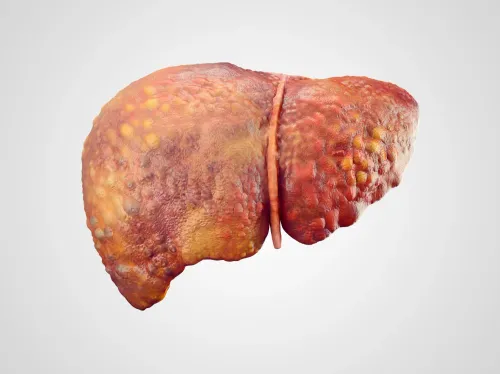
- Fatty liver-related metabolic indicators
- Other cardiometabolic factors
- Changes occurring during treatment
AI-assisted analysis may help identify current PCOD-related abnormalities and underlying metabolic changes even when obvious symptoms are limited.
It may also recognize patterns associated with increased future diabetes, cardiovascular, metabolic and reproductive health risks.
Earlier identification can support further investigations, closer monitoring, nutrition planning, healthy weight management, lifestyle modification and treatment adjustment.
Current findings combined with future-risk indicators can support personalized preventive-care planning focused on modifiable risks.
AI works alongside medical history, examination, laboratory investigations and clinical judgement rather than replacing them.
Metabolic and Supportive Cleansing Care for PCOD
When insulin resistance, excess weight or lifestyle-related metabolic factors contribute, supportive care may focus on:
- Appropriate balanced nutrition
- Sustainable weight management
- Regular physical activity
- Better insulin sensitivity
- Healthier glucose regulation
- Triglyceride management
- Digestive and nutritional well-being
- Liver-related metabolic health where relevant
- Sustainable lifestyle habits
Improving metabolic health may support healthier weight, menstrual regularity and ovulatory function when metabolic factors contribute.
It may also support fertility management where obesity, insulin resistance or other metabolic abnormalities are relevant.
Supportive care can additionally contribute to energy, nutritional and hormonal well-being.
Benefits vary between individuals and these measures complement diagnosed PCOD treatment.
Modern Evidence-Based Allopathy for PCOD
Evidence-based medical care is individualized according to menstrual irregularity, androgen-related symptoms, insulin resistance, glucose abnormalities, metabolic concerns, ovulatory difficulties and reproductive requirements.
Appropriate medicines and hormonal therapies may be considered according to established medical indications.
Regular scientific monitoring helps evaluate treatment response and changes in hormonal and metabolic parameters. Treatment can then be optimized when clinically required.
Supplementary Research-Based Therapy for PCOD
Supportive therapy may include:
- Correction of documented vitamin and mineral deficiencies
- Evidence-informed nutritional support
- Support for metabolic health and insulin sensitivity
- Nutritional support during healthy weight management
- Support for hormonal and reproductive health
- Carefully selected supplements according to individual needs
- Support for energy and general nutritional well-being
Selection considers existing medicines, safety and potential interactions.
Effectiveness and tolerability should be monitored regularly.
Supplementary therapy complements rather than replaces evidence-based PCOD management.
Creating One Personalized PCOD Strategy
Menstrual health, hormones, insulin sensitivity, body weight, nutrition and lifestyle can be evaluated together.
The integrated goal is better metabolism, healthier weight, improved hormonal health, menstrual and reproductive support, appropriate disease control, better quality of life and reduction of modifiable future health risks.
Keywords