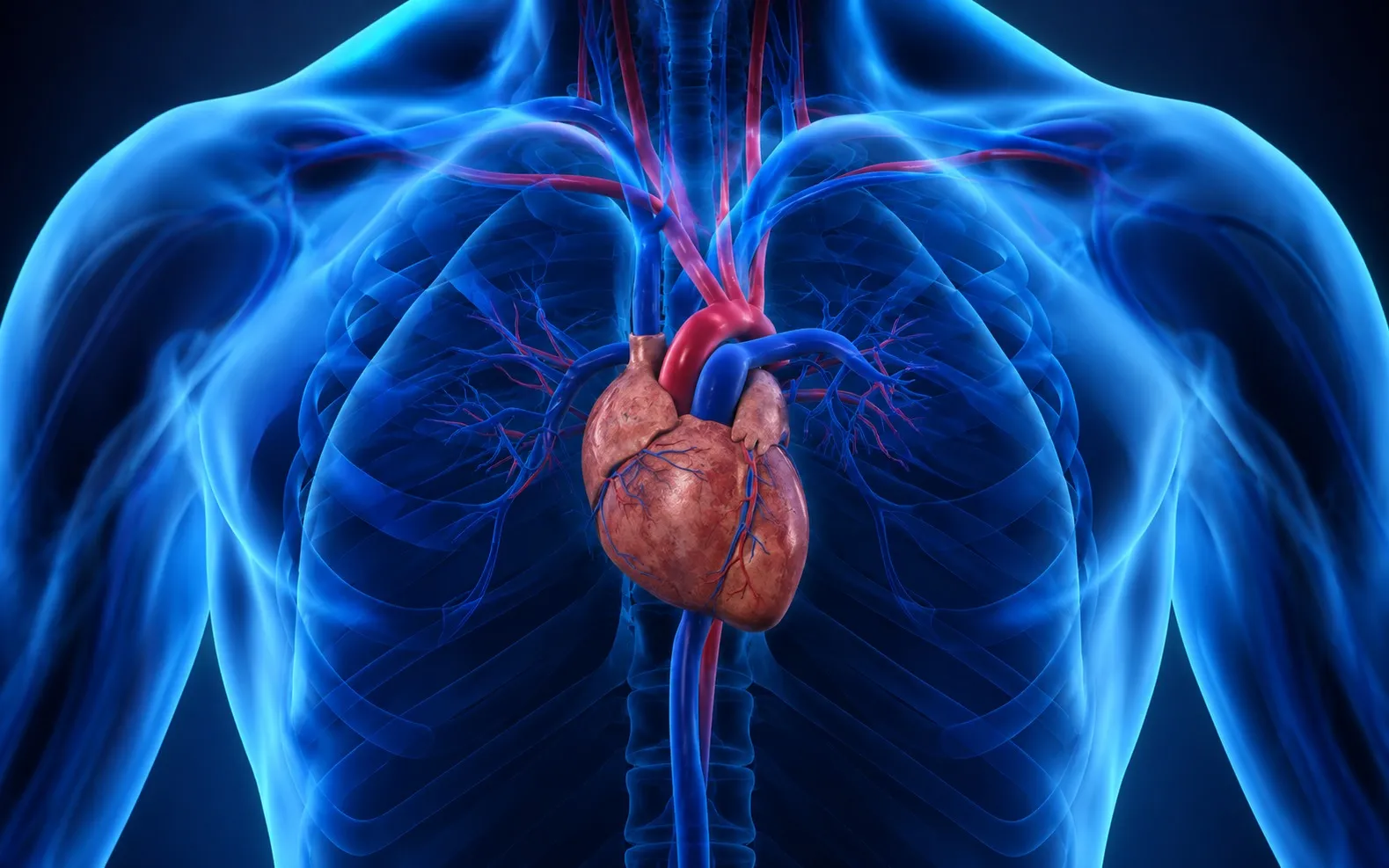
Heart disease remains one of the leading health concerns worldwide, affecting people across different age groups. While high cholesterol, smoking, and family history are well-known risk factors, many individuals are unaware that diabetes, thyroid disorders, obesity, hormonal imbalance, and fatty liver disease can also increase the risk of cardiovascular problems. Treating heart disease effectively requires more than controlling symptoms—it involves identifying the factors that contribute to poor heart health.
For individuals in Kalyan West and across Maharashtra, early assessment and a personalized treatment strategy can help reduce complications and support long-term cardiovascular wellness.
Understanding the Connection Between Metabolic Health and Heart Disease
The heart depends on a healthy circulatory system to function efficiently. When blood sugar levels remain uncontrolled, blood pressure is consistently high, or hormonal disorders are left untreated, the risk of developing cardiovascular disease increases significantly.
Some of the most common conditions associated with heart disease include:
- Diabetes
- High blood pressure
- Obesity
- High cholesterol
- Thyroid disorders
- Hormonal imbalance
- Fatty liver disease
- Sedentary lifestyle
- Chronic stress
These conditions often occur together, making a comprehensive evaluation essential for effective treatment.
Symptoms That Should Never Be Ignored
Heart disease may develop gradually, and early warning signs are sometimes overlooked.
Seek medical evaluation if you experience:
- Chest discomfort or pressure
- Shortness of breath
- Unexplained fatigue
- Irregular heartbeat
- Swelling in the legs or ankles
- Frequent dizziness
- High blood pressure that remains uncontrolled
- Reduced exercise tolerance
Prompt diagnosis can help prevent serious complications such as heart attack, stroke, or heart failure.
Looking Beyond Traditional Cardiac Care
At Dr. Manoj Lokhande's Diabetes, Thyroid and Hormone Clinic, cardiovascular disease management follows an integrated healthcare approach that focuses on identifying the metabolic and hormonal factors influencing heart health rather than treating symptoms alone.
A detailed evaluation may include:
- Blood sugar assessment
- Thyroid function testing
- Hormonal health evaluation
- Lipid profile
- Blood pressure monitoring
- Liver and kidney function
- Body composition assessment
- Lifestyle and nutritional review
This broader understanding allows clinicians to create individualized treatment plans based on each patient's overall health rather than relying on a one-size-fits-all approach.
Advanced Integrated Treatment Approach
The clinic incorporates AI-guided diagnostic assessment to assist in identifying hidden metabolic and hormonal imbalances that may increase cardiovascular risk. These advanced evaluations help assess future disease risks, understand individual health patterns, and personalize treatment strategies.
Following a detailed clinical assessment, treatment may include:
- Modern allopathic medicine for evidence-based management of cardiovascular conditions and associated metabolic disorders.
- Supplementary research-based therapies that support overall treatment response and long-term stability.
- Cleansing therapy as a supportive component to improve metabolism, promote internal physiological balance, reduce inflammation where appropriate, and complement medical management.
- Lifestyle counselling focused on nutrition, physical activity, stress reduction, and healthy weight management.
- Regular monitoring to evaluate progress and adjust treatment whenever necessary.
This integrated approach is particularly valuable for individuals with chronic cardiovascular conditions or those whose health has not improved despite ongoing treatment.
Everyday Habits That Support Heart Health
Medical care delivers the best results when combined with healthy daily habits.
Simple measures include:
- Following a heart-healthy diet rich in vegetables, fruits, and whole grains.
- Exercising regularly according to medical advice.
- Maintaining a healthy body weight.
- Keeping diabetes and blood pressure under control.
- Managing cholesterol levels.
- Avoiding tobacco products and limiting alcohol intake.
- Sleeping adequately and managing stress effectively.
These habits improve metabolism, support healthy circulation, and contribute to better overall well-being.
When Comprehensive Care Becomes Important
Some people continue to experience uncontrolled blood pressure, poor diabetes management, obesity, or persistent fatigue despite routine treatment. These situations may indicate underlying hormonal or metabolic factors that require further evaluation.
An individualized treatment plan that addresses these interconnected health conditions can improve disease management while reducing the likelihood of future cardiovascular complications.
A Long-Term Approach to Heart Health
Successful cardiovascular diseases treatment is not limited to controlling blood pressure or cholesterol. It also involves improving metabolic health, identifying hormonal imbalances, managing diabetes, supporting healthy body weight, and preventing future complications.
For people in Kalyan West, an integrated healthcare approach that combines AI-guided diagnosis, root-cause evaluation, personalized treatment planning, modern allopathic medicine, supplementary research-based therapies, supportive cleansing therapy, and ongoing lifestyle guidance offers a comprehensive pathway toward better cardiovascular health. By addressing the underlying causes that influence heart disease, individuals can work toward improved circulation, greater energy, enhanced quality of life, and long-term heart wellness.
Keywords